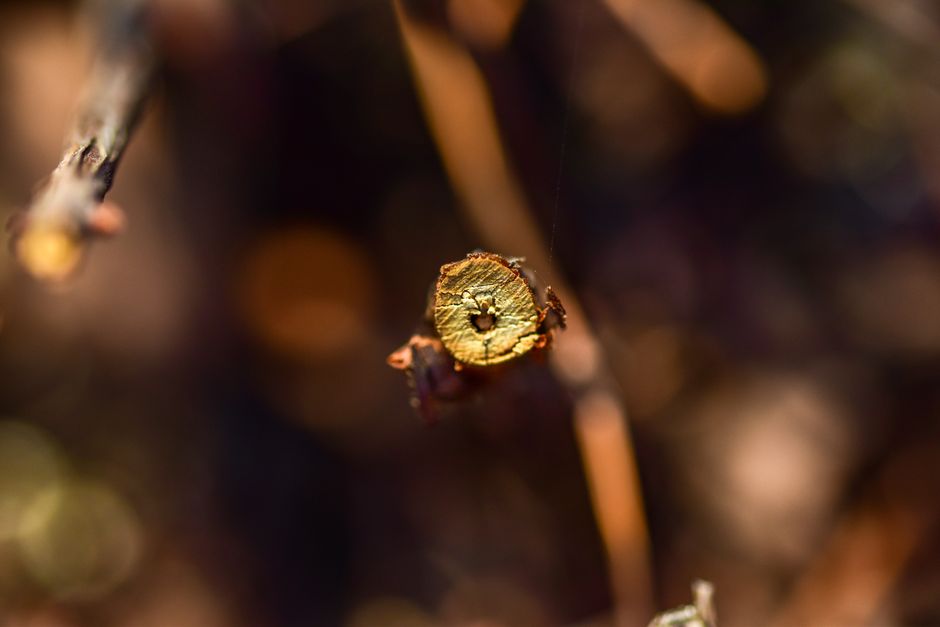
Your neighbour watched you prune that cedar and handed over a tin of tree pruning sealer. "You have to seal those cuts," they said. (They meant well. They've been wrong since at least 1979.)
Skip the sealer. Tree pruning sealer — also sold as wound paint, wound dressing, or pruning tar — is a product the garden industry hung onto for decades after the science moved on.
Short answer: A clean cut on a healthy tree heals faster without sealant than with it. Trees have been handling this without our help for considerably longer than we've been making cans of asphalt-based goop to assist them.
Here's why that's true, what your tree is actually doing when it heals, and the one narrow case where a product does help.
What tree pruning sealer actually is
Tree pruning sealer is a petroleum- or latex-based product applied to fresh pruning cuts. It came into widespread use in the early 20th century and was standard practice in arboriculture well into the 1970s. Garden centres still stock it. Several generations of homeowners were told it prevents rot, seals out disease, and helps the wound close.
It does none of those things.
The product emerged from a reasonable intuition: humans seal cuts with antiseptic and plasters, so trees must need similar treatment. The analogy falls apart quickly. A tree wound and a human wound heal through entirely different biological mechanisms. Trees don't close wounds — they wall them off and grow around them.
Why trees don't need it: the CODIT process
In the 1970s and 80s, American plant pathologist Dr. Alex Shigo published research that fundamentally changed how arborists understand tree biology. His model — CODIT, short for compartmentalization of decay in trees — explains how a tree naturally seals a wound from the inside out.
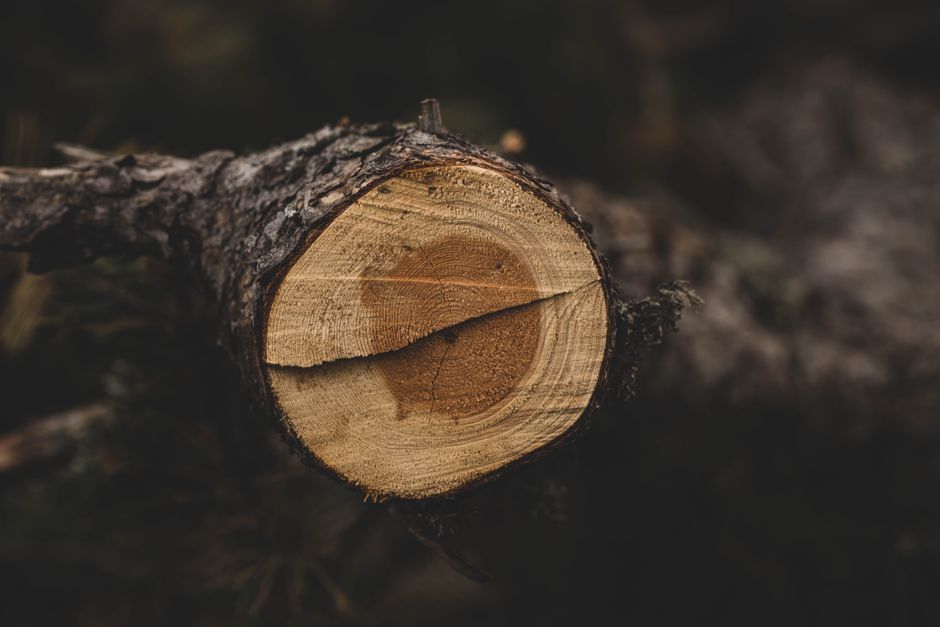
When you cut a branch, the tree builds chemical and physical barriers around the damaged tissue. It chemically isolates the injured wood from healthy wood. Then new wood grows outward from the wound edges — a callus ring that slowly closes the gap over months and years.
This process requires oxygen and a specific sequence of biological responses. Seal the wound with petroleum tar or pruning paint and you trap moisture, reduce oxygen at the wound surface, and create exactly the dark, anaerobic conditions that fungal pathogens prefer. The wound doesn't heal faster. It decays.
I reckon nine out of ten calls I take about "why isn't this pruning wound healing" involve sealant on the cut. The research has been consistent for forty years. The ISA (International Society of Arboriculture) does not recommend routine wound dressings. The University of Maryland Extension puts it plainly: wound dressings don't prevent decay and usually delay callus formation. CODIT works. Sealant doesn't.
The one exception: oaks and timing
There is one case where the guidance differs.
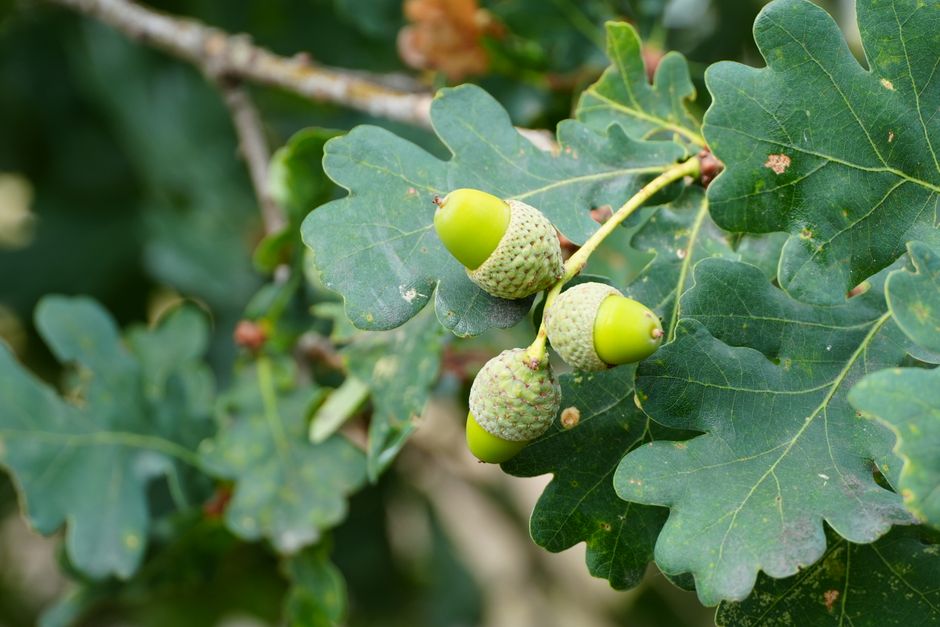
Oak wilt (Ceratocystis fagacearum) is a fungal vascular disease present in parts of the eastern and central United States. It spreads partly through sap beetles attracted to the volatile compounds fresh pruning wounds release during the growing season. In those oak wilt zones, a thin application of latex-based paint on fresh oak cuts during spring and summer reduces beetle exposure during the brief window when the wound is most vulnerable.
Notice what that specifies: latex paint, not petroleum tar. Oaks only. Active oak wilt zones only. Growing season only.
Oak wilt is not established in British Columbia. Our native Garry oaks (Quercus garryana) face a different set of pressures — including Sudden Oak Death (Phytophthora ramorum), which does occur in BC but spreads through water splash and soil contact, not through beetle transmission via pruning wounds. The current guidance from the BC Ministry of Forests on Sudden Oak Death focuses on sanitation and not moving soil or plant material — not on wound paint.
Rule of thumb: if an ISA certified arborist recommends a wound treatment for a specific disease in your area, follow that advice. That is a different situation from applying petroleum tar to a healthy cedar because the tin was in the garage.
For timing on Garry oaks specifically, see our post on oak tree trimming in Surrey — when to prune and how far to cut.
What to do instead of sealing cuts
The post-cut protocol is short.
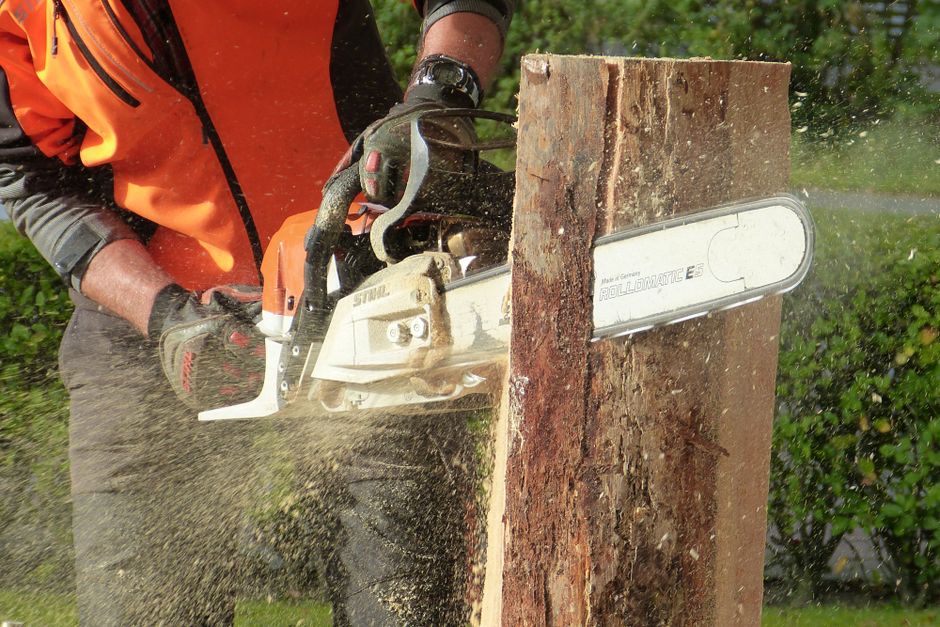
Cut just outside the branch collar. The branch collar is the slightly swollen ridge of bark where a branch meets the trunk. It contains the tree's barrier zone — the cells that initiate wound closure. Cut through it and the tree can't close properly. Leave a stub outside it and decay works inward to the trunk.
Use sharp, sanitised tools. A clean cut creates less tissue damage than a ragged one and produces a better callus. More importantly, a contaminated blade can introduce pathogens at exactly the wrong moment. Wipe cutting surfaces with isopropyl alcohol between trees, particularly if you're working around apple, cherry, or elm. Those species are more vulnerable to diseases that travel on tools.
No flush cuts. Flush cuts remove the branch collar, leave a larger wound, and close far slower than a proper angled cut. They were popular before Shigo's research. They're still common. They're still wrong.
And after the cut: nothing. Let the tree handle it.
Small cuts under about 4 cm in diameter on a healthy tree typically produce visible callus growth within one to two growing seasons. Larger wounds take several years. Very large cuts — over 10 cm — may never fully close on older trees, but a healthy tree will still compartmentalise effectively. If the existing wood is dry and dark and the callus ridge is forming around the edges, the tree is doing its job.
For the full breakdown of when and how to prune trees correctly, our guide to pruning trees in Surrey covers technique, timing, and species-specific differences.
When to call an arborist (and when you don't need to)
You don't need an arborist to skip the sealer. That decision cost you nothing.
Some situations do warrant a professional look, though.
Large-diameter cuts on mature trees. Any limb removal where you're rigging heavy wood at height requires the right technique and the right equipment. An improper cut at that scale creates a wound the tree may struggle with for decades. We carry out full-scope tree pruning and removal services across Surrey, Langley, White Rock, and Delta.
Wounds that already look wrong. Soft wood around an existing cut, dark discolouration spreading outward, fungal growth near the base — these are signs the tree is already fighting decay. A certified arborist can assess whether the compartmentalisation is holding and whether anything structurally significant is happening beneath the bark.
You're unsure about cut placement. The branch collar location isn't always obvious, especially on older wood with furrowed bark. If you're not confident you're cutting in the right place, it costs a lot less to ask than to guess wrong on a 60-year-old bigleaf maple.
When not to call us: if your tree is healthy, you're doing light pruning from the ground, and the only question was "should I seal these cuts" — you needed this article, not us. Skip the tin. Make the cut properly. Give us a call if the branch is over your head, the tree is a heritage specimen, or you're seeing signs that something is already wrong.
(A dead or structurally compromised tree is a different conversation entirely. If you're not sure your tree is healthy, our guide to telling whether a tree is dead or just dormant is the right starting point.)