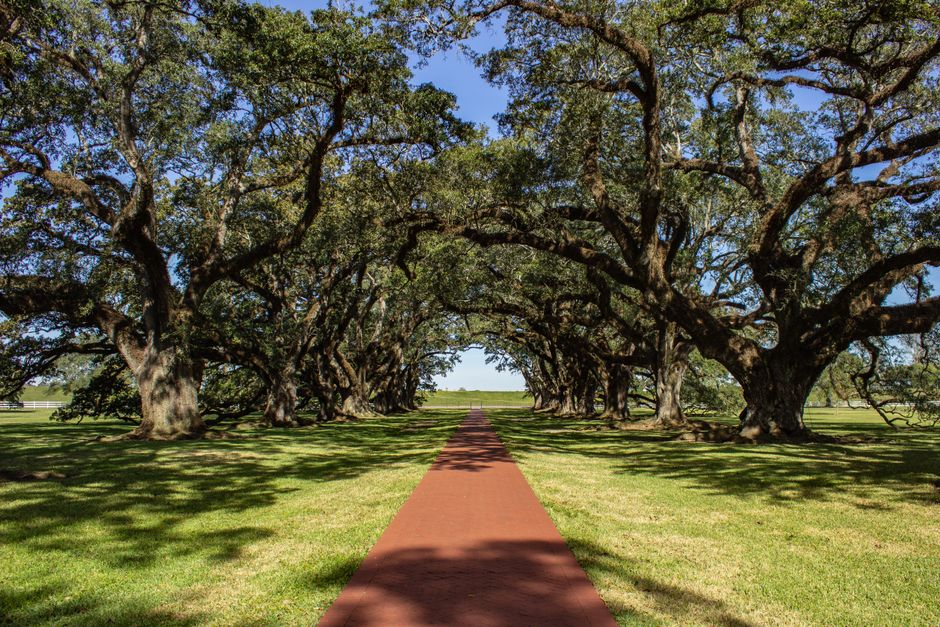
Oaks are stoic. They’ll tolerate drought, windstorms, and your neighbour’s dog. (The dog never learns.) What they won’t forgive is a trim at the wrong time of year. Short answer: cut between November and March in Langley/Aldergrove. That’s the rule. Everything else is commentary.
The rest of this guide covers what to remove, how to cut correctly, what it costs in the Fraser Valley, and when you should honestly just do it yourself.
Quick answer:Oak tree trimming has one non-negotiable: timing. Cut during the dormant season — November through March in the Lower Mainland — and the risk of disease drops dramatically. Cut in summer and you’re inviting pathogens through open wounds. Beyond timing, the job is about removing the right wood without taking too much. Fifteen to twenty percent maximum per session.

The timing rule oaks can’t argue with
Oak trees have a very specific weak point: the window between April and October. During those months, bark beetles and sap beetles are active throughout the Lower Mainland. A fresh pruning cut releases sap. Sap attracts beetles. Beetles carry fungal spores into the wound. That’s how disease gets in.
Oak wilt — caused by the fungus Bretziella fagacearum — is the most serious example. It can kill a tree within a single season. The good news, specific to BC: oak wilt is not currently established in British Columbia. The Canadian Food Inspection Agency monitors it as a regulated pest but it hasn’t crossed into the province.
This doesn’t mean the timing rule doesn’t apply. Other fungal pathogens — including the ones that cause leaf blister, anthracnose, and slow crown decline — enter through open wounds year-round. Garry oaks, BC’s only native oak species, are also susceptible to Phytophthora ramorum (the pathogen behind sudden oak death), which spreads more readily in wet conditions.
Cut between November and March. The tree is dormant. Sap production is at its lowest. Beetles are inactive. Wounds callus cleanly over winter before the growing season stresses them again.
Exception: storm damage or a broken limb posing a hazard. Cut it now, any month. But paint the wound with latex paint within 15 minutes of the cut — this reduces beetle attraction significantly. Not wound sealant or tar; ordinary latex house paint, any colour.
What to remove — and what to leave
Nine out of ten oak trimming jobs done wrong involve one of two mistakes: the wrong branches removed, or too many branches removed. Sometimes both.
Cut these:
- Dead, dying, or diseased wood. Dead wood is an entry point for decay and insects. Start here every time.
- Crossing or rubbing branches. They create wounds that don’t heal cleanly and create friction in wind.
- Branches growing inward toward the canopy centre. They block airflow and create conditions for fungal problems.
- Structurally weak attachments — narrow crotch angles under 30 degrees, and co-dominant stems on young oaks.
Leave these:
- Healthy scaffold branches — the main structural arms of the tree.
- Live wood you’re removing for tidiness. Oaks don’t like being tidied for the sake of it.
- Water sprouts, unless they’re actively causing a structural problem. On young trees, water sprouts can redirect energy usefully.
The 15–20% rule is the one that most DIY trimming ignores. Never remove more than that fraction of the live crown in a single session. Take more and the tree responds with a flush of thin, weak shoots — stress growth that looks like recovery but signals strain. If a tree genuinely needs more than 20% removed, stagger the work across two or more seasons.
How to make the cut without damaging the tree
You can get the timing right, target the right branches, and still damage the tree. It comes down to where you make the cut.
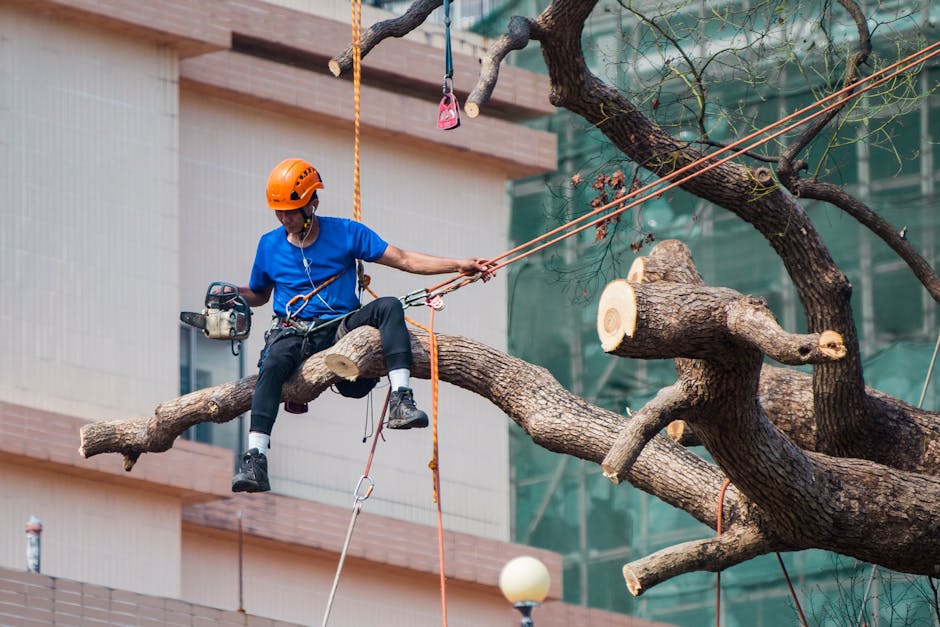
Always cut just outside the branch collar — the swollen ring of tissue at the base of the branch where it meets the trunk. That collar is how the tree seals off the wound. Cut into it and the tree can’t compartmentalise the damage. Leave a stub and the stub rots back toward the trunk.
One clean cut. Outside the collar. That’s the whole technique.
Tool hygiene matters more than most homeowners realise. If you’re trimming more than one tree, wipe blades with a 10% bleach solution or isopropyl alcohol between trees. Spores from a stressed or diseased oak transfer to healthy ones on unclean equipment. It’s not overcaution — it’s how infections move across a property. The ISA Canada arborist network has guidance on sanitation protocols if you want the full detail.
I’ve seen crews skip the sanitation step between three consecutive jobs in a single afternoon. Not ours. But it happens, and it matters. Ask about it when you’re getting quotes.
How often do oaks need trimming
Young oaks — under 15 years — benefit from formative pruning every 2–3 years. The goal is structure: establishing a single dominant leader, removing co-dominant stems before they become a structural liability, and raising the canopy gradually if it’s near a walkway or structure.
Mature oaks need attention every 3–5 years, depending on site conditions. A tree growing under power lines or over a roof warrants more frequent checks than one in an open yard.
If an established oak looks like it needs trimming every year, something else is going on. An oak in good structural health shouldn’t be producing that much new growth that fast. The usual cause: over-pruning in a previous session triggered stress growth. The treatment is fewer cuts, done correctly, not more frequent trimming. Our tree pruning assessment can help identify whether a tree needs structural work or just a longer interval between visits.
Oak trees and Langley/Aldergrove’s permit rules
Here’s the one that catches homeowners off guard. Under Langley/Aldergrove’s Tree Protection Bylaw No. 16100, some trees require a Tree Cutting Permit before you prune them — specifically, trees designated as Significant or Heritage Trees by the City.
Pruning a designated tree without a permit can result in a fine of up to $20,000. Not a typo.
Most residential oaks in Langley/Aldergrove don’t fall into these categories. But Garry oaks — BC’s only native oak — and large specimen trees on Schedule B of the bylaw sometimes do. If you’re unsure about your specific tree, call the City of Langley/Aldergrove at 604-501-5050 before any work starts. A two-minute conversation beats a four-figure fine, and the City arborists are genuinely helpful.
If your tree is designated and you need trimming done, we help with the permit process — not around it.
What oak tree trimming costs in Langley/Aldergrove — honest numbers
Nobody publishes prices. I reckon that should change.
| Scope | Typical range (CAD) |
|---|---|
| Small oak (under 5 m), crown clean-up | $350–$600 |
| Medium oak (5–10 m), structural pruning | $600–$1,200 |
| Large oak (10–15 m), full inspection + trim | $1,200–$2,200 |
| Very large or complex oak (15 m+) | $2,200+ |
| Emergency or out-of-season work | Add $200–$500 |
What drives cost up: restricted access, proximity to structures or power lines, a high crown that requires a climber rather than ground-based pole equipment, or a tree showing signs of stress that requires more assessment time before any cutting starts.
The most common mistake I see homeowners make is choosing the lowest quote and calling us the following season when the tree is in trouble. Nine out of ten times, the first crew cut in summer, took more than 20%, or both. It’s not always malice. It’s often just a job that looks simpler than it is. Price before the first cut, in writing. If a crew won’t provide that, it’s a reason to pause.
When not to call us
Sometimes you should do this yourself, and I’ll tell you when.
If you have a small oak under 3 metres, with one or two obvious dead branches reachable from the ground, and it’s between November and March — a sharp pair of loppers and a clean cut just outside the branch collar is all that’s required. No arborist needed. Save the call-out fee.
If the work involves any height above 2 metres, anything near power lines, or a tree showing stress signals — early leaf drop, unusual die-back in one section of the crown, fungal growth at the base, mushrooms in the root zone — get a professional assessment before any cutting starts. The cost of mishandling a mature oak is considerably more than the cost of getting it right.
We also won’t take every job. If your Significant Tree needs removal rather than trimming, that requires a permit process — and we’ll walk you through that, not around it. If your tree honestly just needs a few dead branches removed and you can safely reach them from a stepladder in winter, we’d rather tell you that than charge you a callout. The rest of our blog has more honest guidance along these lines.