
A tree and shrub pruning service is basically a haircut — except the tree doesn't tip you afterward, and if you get it wrong, you can't grow it back out in six weeks. Here's what the service actually involves: a certified arborist removes dead, diseased, crossing, and structurally weak growth from your trees, shapes and manages your shrubs, and leaves the property clean. In Aldergrove, Langley, Langley/Aldergrove, BC, a standard residential visit runs $280–$700 depending on property size.
Nine out of ten homeowners who book us have the same question before we arrive: how do they know what actually needs cutting? Short answer: a lot less than you'd think. Most healthy trees in good situations manage themselves reasonably well. The cuts that matter have specific reasons behind them.
Quick answer: Book a professional tree and shrub pruning service for trees over 5 metres, anything near power lines, trees showing structural problems, or shrubs that have significantly outgrown their space. For healthy shrubs under 1.5 metres and minor annual tidying, you can manage with good hand tools and a bit of time.
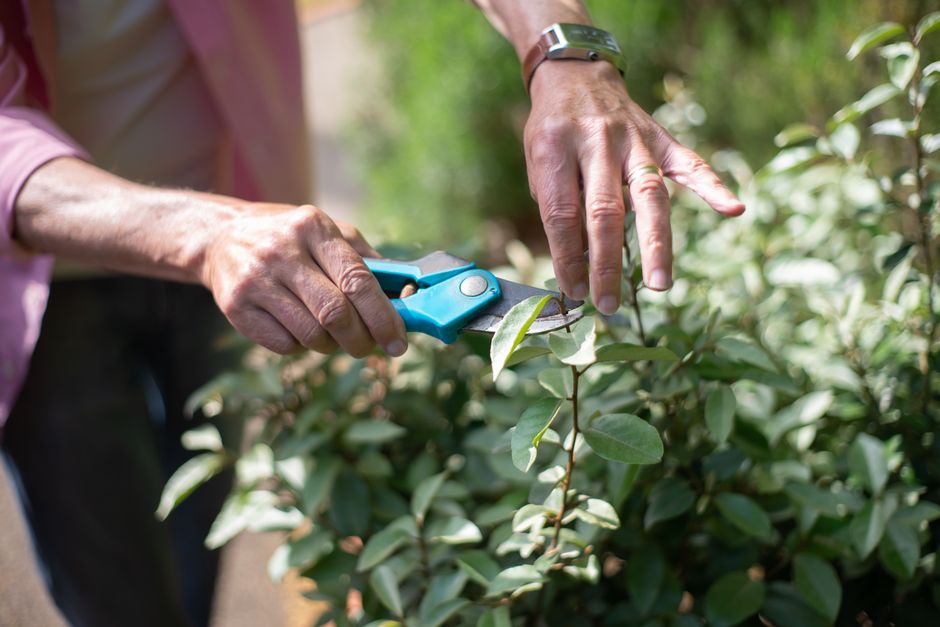
Pruning vs. trimming — what's actually different
Most people use these words interchangeably. Most tree companies won't correct them. The distinction is worth understanding, though, because it changes what you're asking for.
Pruning is targeted. Specific branches come out for a specific reason: dead, diseased, crossing another branch, structurally weak, or growing toward a structure. Every cut has a why. An ISA Certified Arborist follows ANSI A300 pruning standards — a defined set of guidelines that specify which cuts are beneficial and which cause more harm than good.
Trimmingis about shape and size. You're reducing a shrub's footprint, keeping a hedge flat, or managing a tree's spread. It's less about the plant's internal health and more about how your property looks.
In practice, a professional tree and shrub care service does both — often on the same visit. Trees get pruned (targeted removal with structural reasons), and shrubs get trimmed (managed shaping to keep them in proportion). The bundling makes sense because the crew is already on-site.
What it does not mean: cutting everything hard because it got big. Severe reduction is not a substitute for regular maintenance, and on most species it causes more problems than it solves. More on that in the cost section, specifically what to think about when a quote sounds very low.

When to prune trees and shrubs in Aldergrove, Langley/Aldergrove, Langley, and the Fraser Valley, BC
Timing is the part most general guides get wrong for our climate. UK and US gardening advice doesn't always translate cleanly to the Pacific Northwest, where the wet shoulder seasons change the risk profile of fresh cuts.
Deciduous trees(maples, alders, flowering cherries, ash): prune late fall through early March while they're dormant. Bare branches let you see the full structure. Wound closure is fastest when the tree isn't competing with leaf production. And fresh cuts are less likely to attract fungal infection when the dry season still has months ahead of it. Avoid early fall — the tree is moving energy toward root storage and fresh pruning interrupts that.
Evergreen conifers(cedar, fir, pine, spruce): late fall or very early spring before new growth. Not mid-summer — cutting into active growth stresses conifers and the wounds stay open longer in BC's wet autumns. There is a narrow window in spring when new candle growth is soft enough to pinch back by hand; that's fine, but it's a specific technique rather than general pruning.
Spring-flowering shrubs(forsythia, lilac, spiraea, ornamental cherry): immediately after flowering. These bloom on the previous season's wood, so pruning before flowering removes the buds you're waiting for. In Langley/Aldergrove, that usually means May or June.
Summer-flowering shrubs(hydrangea paniculata, potentilla, late-season spiraea): late winter or early spring, before new growth starts. These bloom on this year's wood, so an early spring cut is exactly what you want.
Rule of thumb when you're not sure what shrub you have: hold off pruning until after you can observe it flower. Then you'll know whether it's blooming on old wood or new, which tells you when to cut. One lost season of pruning is far less damaging than pruning at the wrong time. For a broader guide on timing across species, see our post on when to trim trees in Langley/Aldergrove.
Dead, diseased, or structurally dangerous branches come off any time of year, no waiting required. Dying wood doesn't benefit from the right timing window — it benefits from being removed.

What a professional tree and shrub pruning service actually does
Here's what actually happens on a standard residential visit, described plainly rather than in the vague language most service pages use.
Assessment before cutting.The arborist or senior crew member walks the property first. They identify what needs to come out and why — not just “it looks overgrown” but specific branches with structural or health reasons behind the call. Any company that starts cutting without an assessment first is worth questioning.
Trees — targeted pruning. Dead, diseased, crossing, structurally weak, and inward-growing branches come out. Large cuts use the three-cut method to prevent bark tearing: undercut first, then remove the bulk of the branch weight, then a clean finish cut just outside the branch collar. Flush cuts and mid-branch stubs are both wrong; the collar is where the healing tissue is. For more on technique, our tree pruning guide covers this in detail.
Shrubs — shaping and size management.A properly maintained shrub should look like it's been managed, not attacked. Good shrub work follows the natural growth form of the plant rather than boxing everything into a square or ball. If a shrub needs significant size reduction, that usually takes two or three seasons rather than one severe cut — hard reduction on many species stresses the plant and triggers weak, dense regrowth.
Cleanup. Green waste — branches, chips, leaves, trimmings — is removed from the property. This should always be confirmed in the quote, not assumed.
What's usually not included without asking:
- Stump grinding — a separate machine and separate booking
- Structural cabling or bracing for weak branch unions
- Fertilisation or soil treatment
- Replanting removed material
- Tree removal — if a tree needs to come out entirely, that's a different scope and a different quote
Ask upfront. A reputable service will tell you exactly what's in scope before anyone picks up a saw.
What it costs — honest numbers for Langley/Aldergrove, 2026
Nobody lists prices. I reckon they should.
| Scope | Typical range (CAD) |
|---|---|
| Up to 2 trees + 6 shrubs, standard access | $280–$420 |
| 3–5 trees + 8–10 shrubs | $450–$700 |
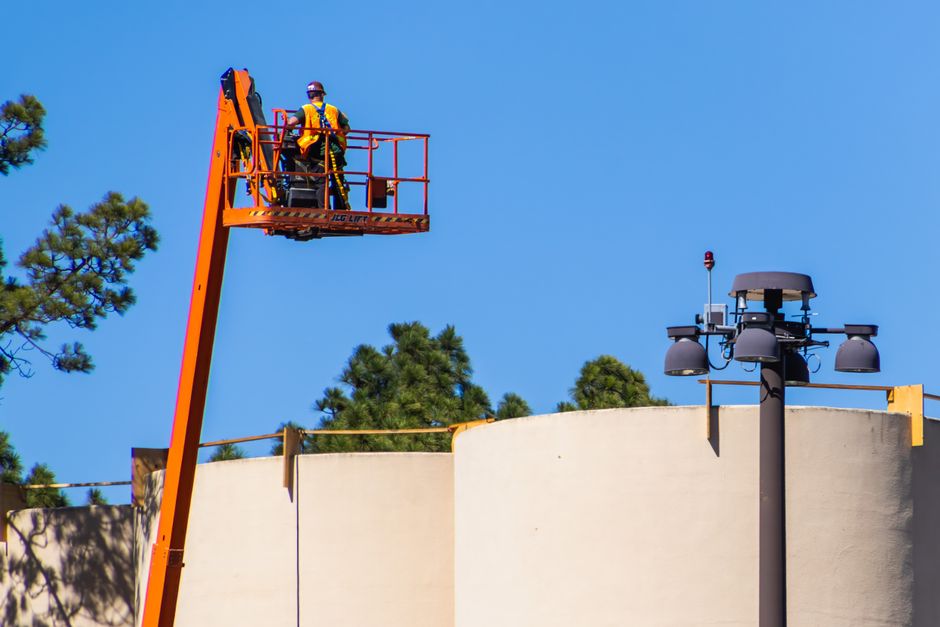
| Large trees (10m+) or elevated work required | $650–$1,200+ |
| Per-hour rate, two-person crew | $125–$175/hr |
| Debris removal add-on (significant volume) | $75–$150 |
What moves the number:
- Tree height — above 5 metres requires climbing equipment or an elevated platform; setup time adds cost
- Structural complexity — a tree with multiple crossing problems and tight branch unions takes longer than a healthy tree needing minor tidying
- Site access — if equipment can't reach the tree, everything gets hand-carried; that adds time
- Debris volume — chipping and hauling a large load is a separate cost if not included in the base quote
I'll give you the one opinion that actually saves people money: the cheapest quote is rarely the cheapest outcome. A quote that seems low for the scope described usually means something is getting skipped — the assessment, the branch collar technique, the cleanup, or the structural work on the trees. One bad cut on a mature tree can cost considerably more to correct than the saving on the original quote. Get at least two itemised quotes. Make sure both describe the same scope.
If you want to understand what drives tree trimming cost in Langley/Aldergrove in more detail, that post goes through the pricing factors line by line.
When not to book a tree and shrub pruning service
I'll tell you when to keep your money. (Yes, I'm aware this is a strange thing to put in a blog post aimed at getting people to call us. My wife thinks so too.)
Skip the call for:
- Shrubs under about 1.5 metres that are healthy and mainly need shaping. Good bypass loppers and hand shears will handle most of this. The technique isn't complicated at that scale.
- Dead shrubs that need removing, not pruning. Don't pay for pruning what needs to be pulled out. If it's small, extract it yourself. If it's large (over 2m, established root system), we can remove it — but that's not a pruning visit.
- Annual light tidy-up of ornamental grasses, lavender, and small perennial woody plants. These are not tree service work and don't need a certified arborist.
- A healthy tree that you'd just like to be smaller. Topping a tree to control its height causes long-term structural failure — it's not something any reputable arborist will do. If a tree has genuinely outgrown its location, the honest answer is usually removal and replanting with a species that fits the space.
Call us — or any ISA Certified Arborist — for:
- Anything above 5 metres. WorkSafe BC effectively requires a certified arborist for this work — not because of paperwork, but because the risk changes significantly above that height.
- Any work near power lines. The sequence there is: assess from the ground, coordinate with BC Hydro if lines are involved, then the arborist works in the cleared zone.
- Trees showing dead wood, cracks, bark separation, or root damage. These are structural issues that need assessing before pruning.
- Shrubs that haven't been touched in five or more years and have significant dead wood inside the canopy. Restoration pruning over multiple seasons is a different job than routine annual maintenance.