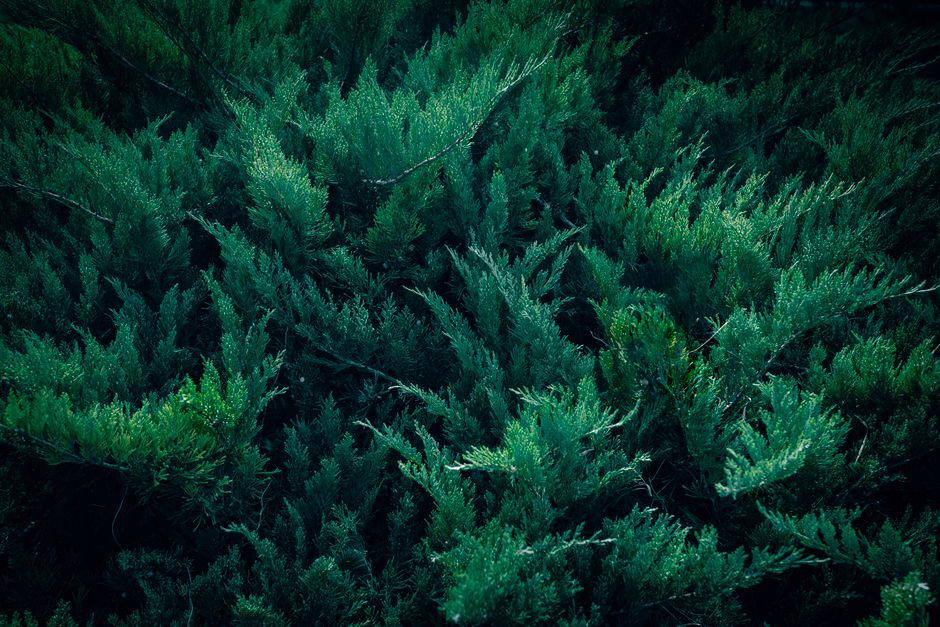
The Hollywood juniper was probably named by someone who thought the comparison was a compliment. Twisted, spiralling growth habit, theatrical branch structure, grows in all directions while appearing to have a plan. (It does have a plan. It just takes a few years to make it obvious.)
If you've got a Hollywood juniper tree and you're not sure what to do with it — or you're thinking about planting one — here's what you actually need to know.
Quick answer:Hollywood junipers are tough, drought-tolerant evergreens that suit Surrey and the Fraser Valley well once they're established. They need full sun, well-draining soil, and light periodic pruning. The main things that kill them here are waterlogged clay soil and aggressive pruning back to bare wood. Both are preventable.
What is a Hollywood juniper tree?
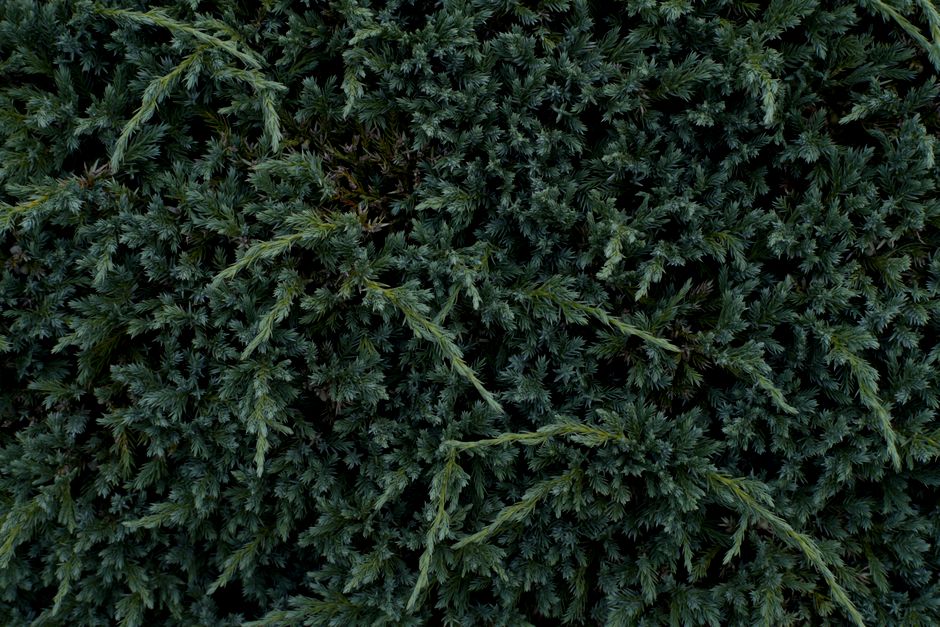
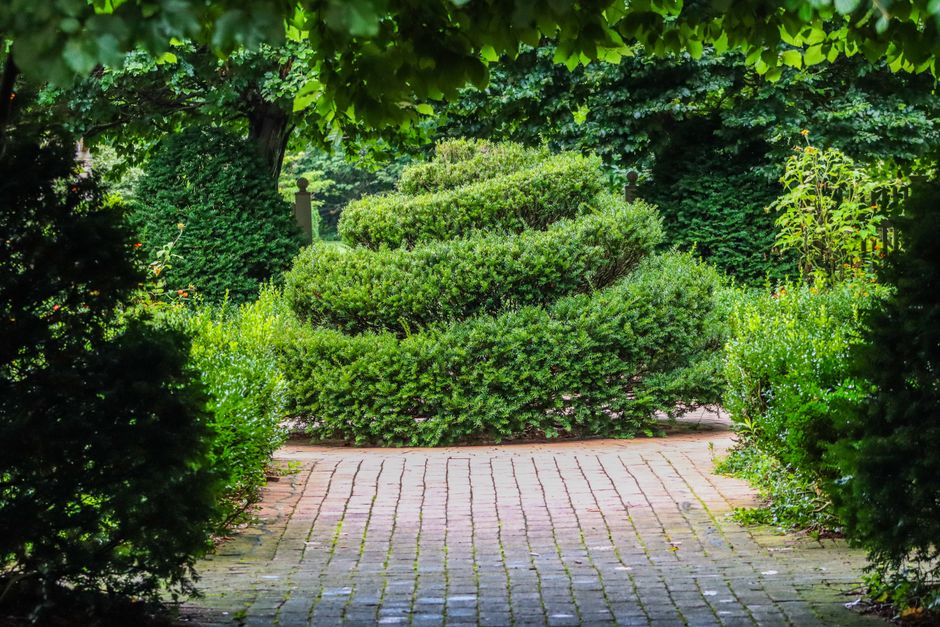
Juniperus chinensis'Kaizuka' (also sold as 'Torulosa') is an upright, irregular evergreen conifer with a corkscrew branch structure that looks like it was shaped by a landscape artist. It wasn't. That's just how they grow.
Heights vary by pruning. Left alone in good conditions, a Hollywood juniper reaches 12–15 feet over 15–20 years. Most Surrey gardens keep them trimmed to 6–10 feet as a specimen plant or informal screen. They're not fast — expect 6–12 inches of growth per year once established — which is either a frustration or a selling point depending on how much garden maintenance you enjoy.
The foliage is dense and scale-like, dark green year-round. No dramatic autumn display — just steady, reliable green when everything else in the garden has given up for the season. Deer don't like them. Established plants handle dry summers well. These qualities matter a lot in suburban Surrey.
They've been popular in Pacific Northwest gardens for decades, and in Japanese and Chinese horticulture for much longer. The twisted form is also a classic bonsai subject — which gives you some idea of how adaptable and structurally interesting the growth habit is.
Does the Hollywood juniper suit Surrey BC's climate?
Yes — with one specific caveat about soil that most American care guides skip entirely.
Surrey sits in USDA Zone 8b. Hollywood junipers are rated hardy to Zone 5, so winter cold is not a concern here. They came through the 2021 heat dome without the dieback that hit a lot of less drought-adapted plants. Cold and heat are not your problems.
The genuine risk in Surrey is our wet winters. The city averages well over a metre of annual rainfall, most of it concentrated between October and March. Hollywood junipers want excellent drainage. In Surrey's common clay-heavy soils — which is the baseline across most of the city — "excellent drainage" doesn't happen by accident. It requires preparation at planting time.
I've seen more junipers struggling in Metro Vancouver yards from waterlogged roots than from cold, pests, or drought combined. If you skip the soil amendment step, you're gardening against the plant.
The other local factor worth knowing: once established, Hollywood junipers suit Metro Vancouver's Stage 3 and Stage 4 summer watering restrictions better than most popular screening plants. A two-year-old juniper that's had proper root development will survive a dry August without supplemental irrigation. That's not true of emerald cedar, which is what most people default to for screens and boundaries.
Hollywood juniper vs. emerald cedar for Surrey
Nine out of ten Surrey homeowners asking about a narrow screening plant end up choosing emerald cedar (Thuja occidentalis'Smaragd'). It's a decent plant. It's just not always the best choice here.
Hollywood juniper offers a few things emerald cedar doesn't. The natural form is sculptural — it reads as a designed feature rather than a hedge. Deer resistance is stronger. And drought performance, once established, is significantly better — which matters during summer restrictions.
The trade-off is honest: junipers are slower growing and the twisted form gives less uniform visual coverage than a cedar hedge. If you need a solid green wall in three years, emerald cedar wins. If you want a garden that looks deliberate and doesn't need irrigation management every August, give the Hollywood juniper serious consideration.
For fall planting — which is the right window for Surrey — September through November works well. Root establishment before the ground cools is better than spring planting for most evergreens in Zone 8b.
How to care for a Hollywood juniper in Surrey
Soil
This is where Surrey homeowners need to pay attention. Most online care guides say "well-draining soil" and move on. In Surrey's clay-heavy conditions, that's not a starting point — it's a goal you have to create.
At planting time: mix native clay soil with coarse grit, aged compost, and horticultural sand. Raise the planting position slightly so the crown sits two to three inches above the surrounding grade. This one step prevents the majority of root rot problems I see with junipers in Metro Vancouver yards.
If your site has genuinely poor drainage — water pools after rain and sits for more than 24 hours — consider a raised bed or a different plant for that spot. Hollywood junipers in standing water are a losing proposition regardless of how good the rest of your care is.
Watering
During the first two summers: water deeply once a week. Less frequent but more thorough than you might expect — the goal is to push roots down rather than keeping them at the surface. After two to three years of establishment, Hollywood junipers are drought-tolerant and largely self-sufficient through Surrey summers.
Rule of thumb: if the soil around the base feels wet three days after rain, drainage isn't adequate. Act on that before the roots suffer.
Sunlight
Full sun — six to eight hours minimum. They'll grow in partial shade but the natural twisted form becomes sparse and lopsided. South or southwest-facing positions are ideal for Surrey properties. If you're planting between structures, check what shade falls on that spot in June at noon before committing.
Temperature and winter care
Winter cold is not a concern at Zone 8b. The only weather event worth preparing for is extended ice loading — the kind of ice storm that bends and cracks upright conifer branches. Before a significant ice forecast, loosely tie the main upright branches with soft twine. I've only needed to recommend this to Surrey homeowners twice in fifteen years. It's a five-minute precaution that saves a mature specimen.
Fertilizing
Early spring, before new growth begins, with a slow-release evergreen or conifer fertiliser. Half the recommended dose — Hollywood junipers in amended soil don't need much. Over-fertilising pushes fast, soft growth that's more susceptible to pests and cold damage. One application per year is the right amount.
How and when to prune a Hollywood juniper
The single most common mistake is aggressive pruning. Hollywood junipers do not regenerate from old wood — wood with no live foliage. Cut back to bare brown wood, and that point will not reshoot. You'll have a permanent dead section. This is different from cedar hedges, which can tolerate cutting back hard.
The correct approach: tip-prune only. Shorten new growth by no more than one-third. Always cut back to a lateral branch that has live foliage attached. Work with the natural form rather than against it — the twisted, upward growth habit is the point of the plant. Shearing it into a geometric cone ruins the aesthetic and damages the plant's long-term structure.
When to prune: late spring after the first flush of new growth, or late summer before new growth hardens off. Avoid late autumn pruning — growth pushed too close to winter is susceptible to cold damage. Two light sessions per year is better than one heavy session.
For a plant that's become overgrown and needs significant reduction, take two to three years rather than doing it all at once. Reduce by a manageable amount each season. If you're looking at a Hollywood juniper that needs more than light tip work and you're not confident in the technique, that's the time to call — not because pruning is complicated, but because it's easy to cut it wrong and impossible to undo.
For more detail on technique, I've written a full guide on how to trim a juniper tree that covers the mechanics for all juniper types including Hollywood.
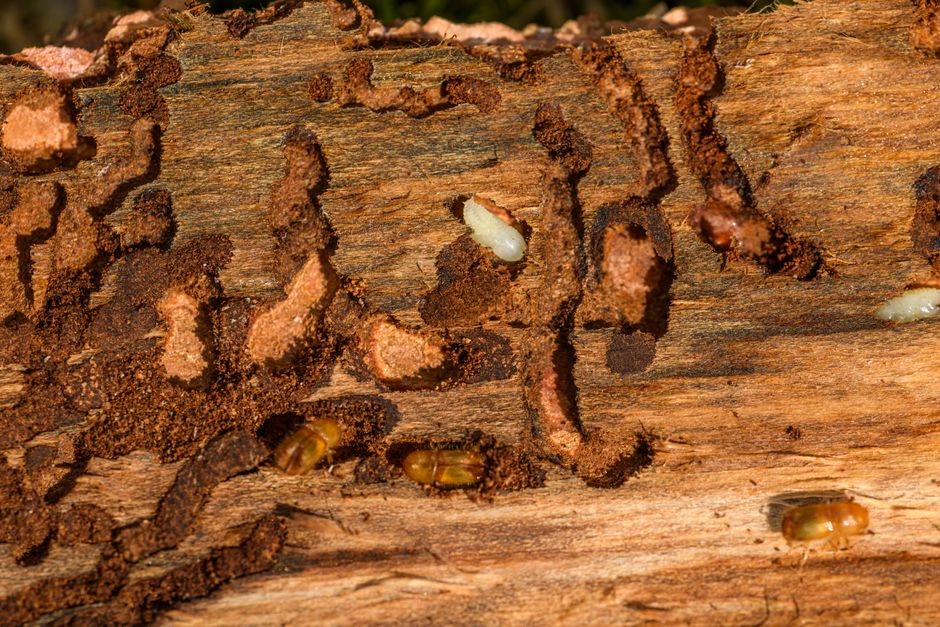
Common Hollywood juniper problems
Spider mites
The most common pest on Hollywood junipers in Metro Vancouver. They show up in hot, dry summers — typically July and August. Signs: bronze or grey discolouration starting at branch tips, fine webbing visible on close inspection.
Caught early, a sharp jet of water from the hose dislodges them effectively. For an established infestation, insecticidal soap or neem oil applied morning or evening (not in direct sun) works well. If the damage is extensive and you're unsure what you're looking at, a tree health assessment correctly identifies the problem before you start treating.
Phytophthora root rot
This is the silent killer of junipers in Surrey yards, and the one most homeowners don't see coming. Phytophthora is a water mould that thrives in poorly draining, consistently wet soil. Symptoms: foliage browning from the bottom up, overall decline without obvious pest activity, branches dying back in sections with no clear cause.
There is no effective treatment once Phytophthora is established in the root zone. Prevention is the entire game: proper drainage at planting, raised planting position, and not overwatering during establishment. If you suspect root rot, don't wait and hope — adjacent plants can be affected, and the Phytophthora inoculum persists in soil. Get a proper diagnosis before replanting the same spot.
For context on the broader range of fungal issues we see in this region, I've covered tree fungus identification and treatment in more detail if you want to cross-check symptoms.
Bagworms
Less common in BC than in eastern Canada, but worth knowing. Look for small spindle-shaped bags constructed from foliage hanging from the branches, typically visible in late summer. Pick off and destroy any bags you find — early removal before larvae drop to soil prevents reinfestation the following season.
Browning tips
Not always a problem. Some tip browning after a hot, dry summer or a windy winter is normal — the equivalent of a bad hair day. If browning is limited to the outermost inch of tips and the rest of the foliage is healthy green, give it a season before acting. If browning is progressing inward from tips, or if whole branches are turning rust-coloured, that needs a closer look.
A related note on plant selection and regret: a few years back I was working with a homeowner who had a row of Leyland cypress along their fence line that struggled every couple of years. Not pests, not disease — just the wrong plant for Surrey's clay drainage and wet winters. We replaced them with species better suited to the actual conditions here, and those plants have thrived. Hollywood junipers, with proper site preparation, are a much better fit for the Pacific Northwest than a lot of the plants people default to at garden centres.
An ISA Certified Arborist can assess an ailing juniper and tell you whether it's worth saving or whether replanting with site preparation is the better path. That's not a sales pitch for removal — I reckon crown work and soil correction salvage more junipers than people expect.

When not to call us about your Hollywood juniper
I'll tell you this even though it's not optimal for my call volume.
Handle it yourself:
- Minor tip browning after a hot summer — watch it for one season before acting
- Spider mites at early stage — try a hard hose spray first before calling anyone
- Normal autumn interior needle drop — junipers shed inner foliage in autumn as part of a normal cycle. It looks alarming. It's fine.
- Light tip-pruning if you're confident in the technique — careful homeowner tip work does minimal damage
Call an ISA Certified Arborist for:
- Root rot symptoms — any. There's no effective home treatment and the problem spreads to adjacent plants
- Pruning that would remove more than a third of total foliage — that level needs planning to avoid permanent dead sections
- Structural problems — a major branch that has split or a compromised main leader
- Decline you can't diagnose after two or three weeks of watching — getting the right diagnosis is faster and cheaper than guessing wrong on a mature specimen
Our ISA certification means we've sat the exam and keep current with continuing education. It's worth asking about when you're getting anyone to look at a mature tree.