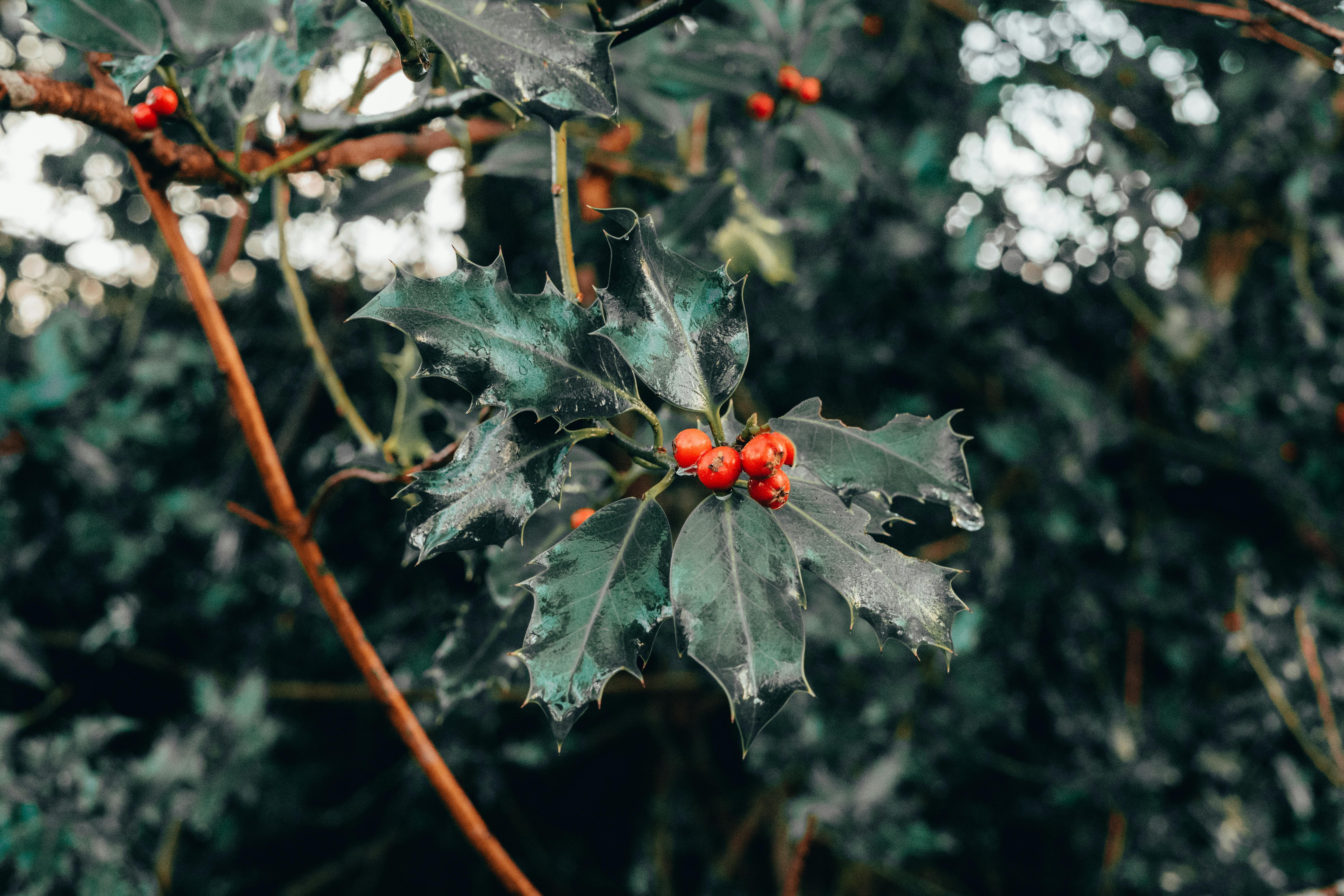
Holly is one of those plants that looks like it can handle anything — glossy leaves, hard wood, stays green through a Fraser Valley winter without complaint. And mostly, it can. But trim it at the wrong time or take off too much at once and you'll spend the next season watching it sulk, or worse, watching the birds leave because you cut into an active nest.
Here is when to trim holly trees in Langley/Aldergrove: late January through mid-March is the primary window. The plant is semi-dormant, sap isn't moving, and fresh cuts heal quickly before new growth pushes in spring. If that window is gone, late June through early August works for hedge maintenance. Everything else is detail.
Short answer: Trim holly in late January to mid-March for clean wounds and fast recovery. Miss that? Wait until late June or July. Avoid autumn — cutting then triggers soft new growth that gets hit by the first frost. And never take more than one-third of the foliage in a single session.
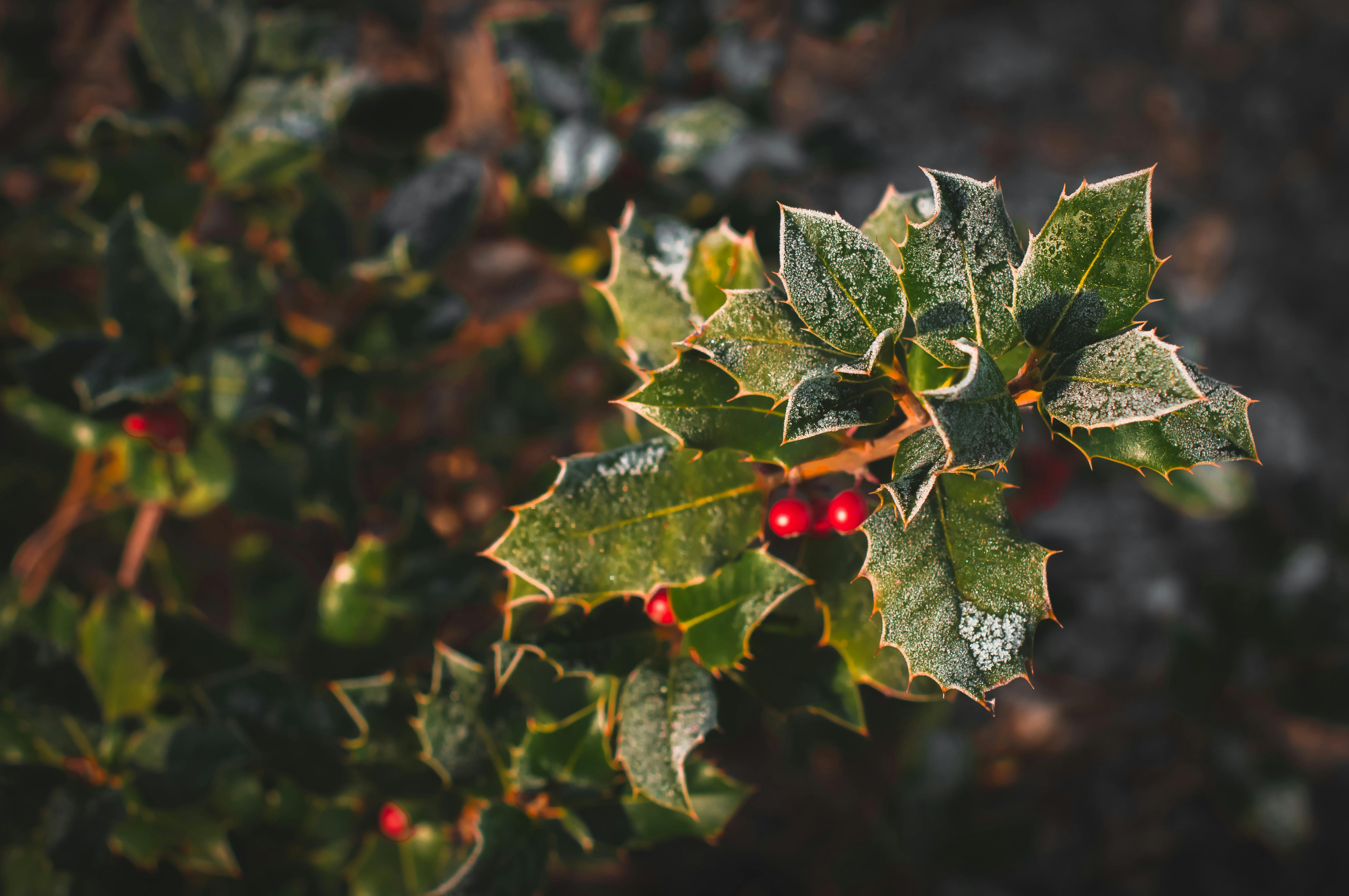
Best time to trim holly trees in Aldergrove, Langley/Aldergrove, Langley, and the Fraser Valley, BC
Holly isn't a true deciduous tree, but it does have a semi-dormant period in winter when growth slows right down. That's your window.
Late January to mid-March. This is the primary trimming window for holly in the Fraser Valley. Growth has slowed, sap pressure is low, and cuts made now will callous over cleanly before the plant pushes new growth in spring. You can also actually see the branch structure without a full canopy in the way, which makes it easier to identify what needs to come out.
Mid-June to early August. The secondary window. The flush of spring growth has hardened off by late June, so cuts don't bleed as much and new shoots are less vulnerable. This window works well for hedge maintenance — light shaping, taking off the spring extension, keeping the sides vertical. It's not the right time for heavy structural work.
Times to avoid:
April and May. The plant is actively pushing new growth. Cuts in this window can bleed heavily and attract pests to open wounds. More importantly, this is peak nesting season — robins, thrushes, and blackbirds commonly nest inside holly. Disturbing an active nest is an offence under the federal Migratory Birds Convention Act. Check before you cut.
September through November. Cutting in autumn triggers a flush of soft new growth that then gets caught by the first frost. The new shoots die back, leaving dead tips throughout the plant heading into winter. It's not fatal, but it sets the plant back and looks bad through the whole cold season. Wait for true dormancy in December at the earliest.
What to cut — and what to leave alone
The one-third rule applies to holly across every species and situation: never remove more than one-third of the total foliage in a single session. Holly recovers well from pruning, but it recovers in its own time and on its own terms. Push past that threshold and you'll be looking at a stressed, sparse plant for a full season or two.
Always remove: Dead, damaged, or diseased wood. No timing rules apply here — dead material can come out any time of year. Crossing branches that are rubbing against each other. Any branch growing back into the centre of the plant or blocking light from reaching the interior.
Remove with judgment: Branches that have grown significantly beyond the plant's intended shape. Suckers emerging from the base or rootstock (especially on grafted ornamental varieties). Any branch that's overhanging a structure, walkway, or your neighbour's property.
Leave alone: Healthy branches with berries, unless the plant genuinely needs reducing. Holly berries are a winter food source for birds — if you're managing the plant for wildlife value, leave the berry-bearing wood until after winter. Young extension growth unless it's heading somewhere you don't want it.
One thing worth knowing about holly cuts: always cut back to a leaf node or lateral branch, not to a stub. Holly does not reliably bud back from bare wood the way some species do. A stub left in the wrong place will die back, and the dieback can extend further than you'd expect.
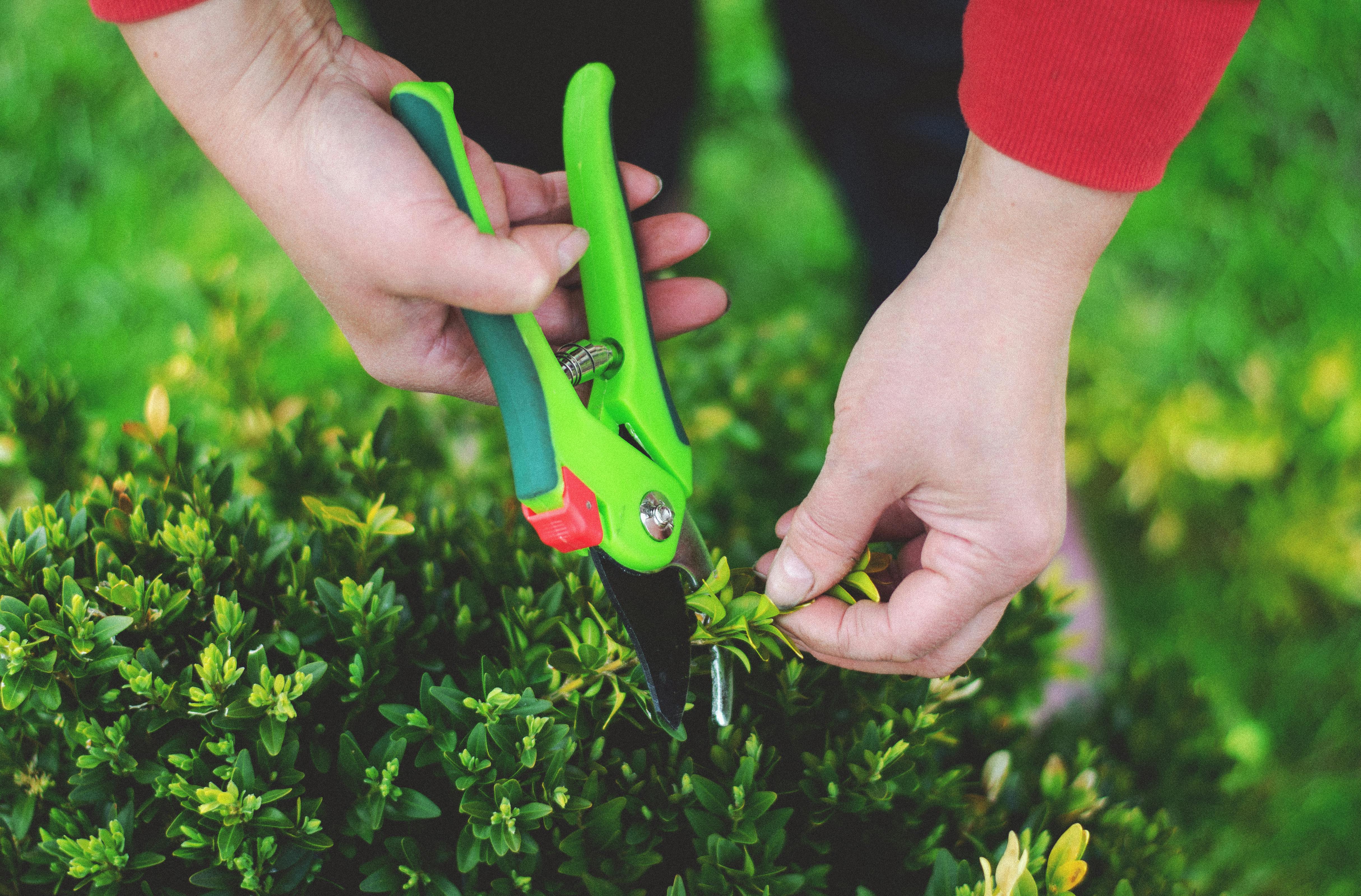
How to trim holly trees properly
Holly leaves have spines. This is not a plant you approach casually. Wear thick gloves — leather if you have them — long sleeves, and eye protection if you're cutting overhead. Holly clippings on the ground are a hazard for bare feet and paws for days after the job. Bag or tarp them as you go.
For light shaping and hedge maintenance: A sharp electric or battery hedge trimmer works well on holly hedges. Run it in long, smooth passes from bottom to top on the sides, then across the top. Slightly narrower at the top than the bottom — this lets light reach the lower foliage and keeps the base from going bare. Clean, sharp blades matter: ragged cuts on holly leaves brown quickly and look poor all season.
For structural pruning and larger branches: Hand pruners or loppers for branches up to about 3cm diameter. Anything larger needs a pruning saw. Make your cut just outside the branch collar — that slightly swollen ring of tissue where the branch meets the trunk or parent stem. Holly callouses from the collar outward; cut into it and the wound takes significantly longer to close.
Disinfect your tools between plants if you're working across multiple hollies in the garden. Holly can carry phytophthora root rot — a soil-borne pathogen that spreads readily on contaminated blades. A quick wipe with rubbing alcohol between cuts is enough.
The ISA Canada arborist finder is worth bookmarking if your holly is a large specimen — anything over 4 metres starts to involve working at height, and the risk profile changes significantly at that point.
Holly trees vs holly hedges — different rules
Langley/Aldergrove and the Fraser Valley have a lot of both. The approach is different enough to be worth separating.
Holly hedges are typically managed for a defined shape — straight sides, flat or rounded top, kept within a set width. They need trimming at least once a year, ideally in late winter before new growth pushes. A second light tidy in late summer keeps them looking clean through autumn. Because hedge trimming touches a lot of material at once, it's more important than ever to stay within the one-third rule — if the hedge has been neglected for several years, a hard rejuvenation cut should be staged over two seasons rather than done all at once.
English holly grown as a tree — which is common on older Langley/Aldergrove properties — has a different rhythm. These trees can reach 8 to 10 metres if left unmanaged, and the lower canopy tends to lift naturally as the tree ages. Structural pruning on a large holly tree involves working in the canopy, assessing weight distribution, and removing branches without unbalancing the crown. That's a different job from hedge maintenance.
One point that trips people up: English holly (Ilex aquifolium) is an invasive species in BC. It spreads readily from berries dispersed by birds into forests and disturbed ground. If you have a large established holly on your property and are considering options, removal (rather than ongoing management) is worth a conversation. We can give you an honest assessment of what makes sense for your specific situation.
What holly trimming costs in Langley/Aldergrove — honest numbers
Nobody lists prices. We reckon they should.
| Scope | Rough range (CAD) |
|---|---|
| Small holly tree or shrub, under 3m | $200–$400 |
| Medium holly tree, 3–5m | $400–$700 |
| Large holly tree, over 5m | $700–$1,400+ |
| Holly hedge trimming, per 10m run | $150–$300 |
| Neglected hedge requiring staged rejuvenation | Quote on assessment |
A few caveats. Holly leaves are sharp and the clippings have to be managed carefully — that takes time and affects the price compared to softer hedge plants. Large holly trees that require climbing or rigging sit at the high end. And a holly hedge that hasn't been touched in five years is a different job from one that gets annual maintenance — the first session costs more.
We quote before we start. The numbers above are honest ranges from what we see in Langley/Aldergrove, Langley, and Abbotsford — not promotional minimums. For the full picture on tree service pricing in the Fraser Valley, our tree removal cost guide covers the variables in more detail.
When not to call us
Worth saying even when it costs us a booking.
A low holly shrub under 2 metres that you can reach from the ground with hand pruners? That's a DIY job. Put on thick gloves, cut back to a leaf node, bag the clippings before the dog finds them — done. We'd rather you spend that money somewhere else.
A small holly hedge along a fence line that just needs a light tidy? A decent battery hedge trimmer and an hour of your time handles it. If you're unsure about the cut angle or you've never trimmed a hedge before, the RHS holly pruning guide is a solid reference for technique.
Call us when:
- The holly is taller than 3 metres and you need to get off the ground to reach it
- Branches are overhanging a roof, shared fence, or your neighbour's property
- The hedge hasn't been touched in several years and needs staged rejuvenation
- You suspect nesting activity and aren't sure if it's safe to proceed
- You're considering full removal and want an honest assessment of the options
- Any time you're not confident about what you're doing — a wrong cut on a large holly is hard to undo
Not sure which side of the line you're on? Call us and describe the situation. We'll give you an honest answer, including if we think you can handle it yourself. See our full hedge trimming service in Langley/Aldergrove for what a professional visit includes.