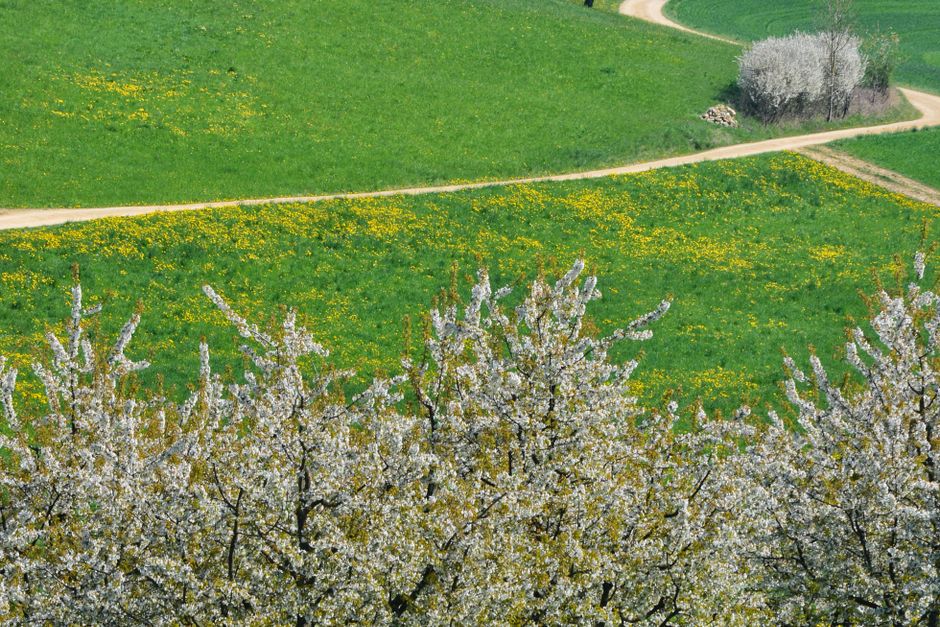
Crabapple trees have a reputation for being difficult. (The name is the first clue.) But the timing question isn't complicated: trim them between late January and mid-March in Langley/Aldergrove, while the tree is dormant and not yet looking to cause trouble. Cut later and you're pruning into flower bud wood — fewer blooms next spring. Cut during active growth and you're opening a door for fire blight. Late January to mid-March is the window, and in Langley/Aldergrove's coastal climate, it's generous enough to work around the weather.
Nine times out of ten, a crabapple that isn't blooming properly, is drowning in water sprouts, or looks generally exhausted traces back to pruning at the wrong time. Or to no pruning at all.
Quick answer: Trim crabapple trees in Langley/Aldergrove between late January and mid-March, while the tree is dormant. Remove water sprouts, suckers, dead wood, and crossing branches. Never take more than 25–30% of the canopy in a single year. Sterilize your tools between every cut.

The right window for trimming crabapple trees
Crabapple flower buds set on prior-year wood — the branches that grew last season. Prune in October or November and you're cutting off next spring's bloom before it has a chance to open. This is the most common mistake on ornamental crabapples: timing that makes structural sense but costs you a full year of colour.
The dormant window solves this. Between late January and mid-March, the tree is sleeping. Buds haven't started moving. There are no leaves in the way, so you can actually see the branch structure and make good decisions. Disease pressure is lower because fire blight bacteria aren't active in cold weather. Wounds heal faster because the tree closes them quickly as it wakes into spring growth.
In Langley/Aldergrove's coastal climate, late January is usually safe to start. The worst frost risk has generally passed by then. The window closes when you can see buds beginning to swell and show colour — once they're green and moving, you're past the ideal point.
What about fall?Dead or hazardous branches come out regardless of season — don't wait on those. For structural work, let it sit until January. Fresh wounds through a wet BC autumn heal slowly and invite disease through the wrong door.
What about summer? Light water-sprout removal in mid-July to early August is fine. Clip or hand-snap the vertical shoots before they harden. Avoid structural cuts in summer. Fire blight pressure is higher in warm wet weather, the tree is under more metabolic stress, and open wounds attract pests.
For a broader look at timing across tree species, our guide on when to trim trees covers the full seasonal calendar.
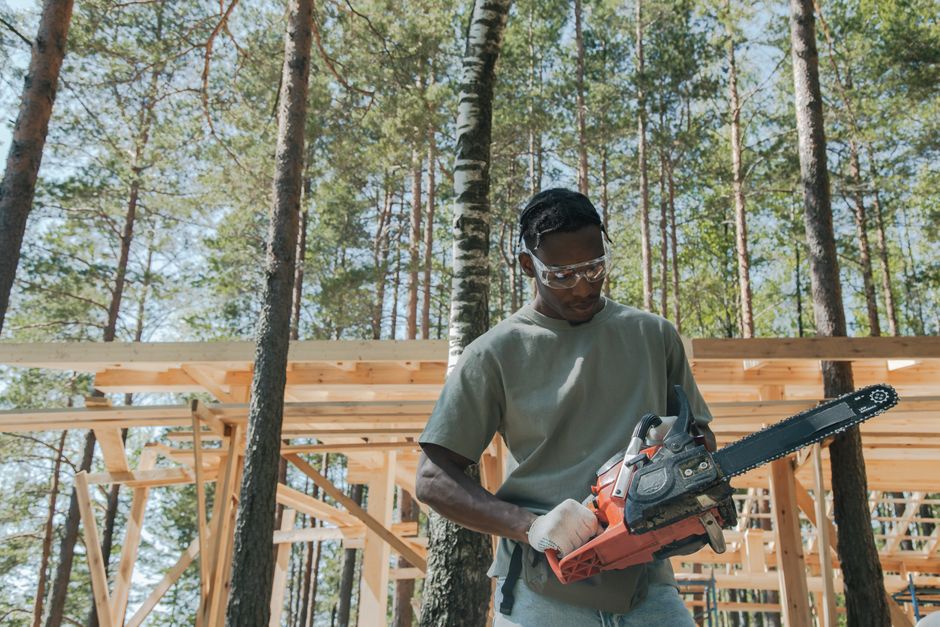
What to cut every year
Every crabapple pruning session works through the same priority list.
Water sprouts first.The vigorous vertical shoots that grow straight up from scaffold branches. They crowd the canopy, block light from the interior, and will never become productive flowering wood. Remove them at the base each year. If your crabapple is throwing a lot of them, it's often a sign of previous over-pruning or stress elsewhere — worth paying attention to.
Suckers next.Growth from below the graft union — at the trunk base or from the roots. These are rootstock suckers, a different variety from the ornamental top. Left unchecked, they'll eventually dominate. Remove them flush to the root or trunk.
Dead and diseased wood. Any branch that's clearly dead comes out regardless of season. Diseased wood — especially anything showing the shepherd's-crook wilting and blackened tips of fire blight — needs to come out with a 30 cm margin into clean wood, per ISA pruning standards. Bag it and bin it. Don't put diseased wood in the compost.
Crossing and rubbing branches. Two branches in contact create wounds. Wounds become entry points for disease. Remove the weaker of the two, cut back to a lateral or the branch collar.
Fire blight — why crabapples need sterilized tools
Most fruit trees benefit from tool sterilization. For crabapples, it's not optional. Fire blight (Erwinia amylovora) is the main bacterial threat to pome fruits in BC, and pruning tools are one of its primary vectors.
The bacteria transfer from an infected branch to the next cut through the blade. A contaminated saw moves through an entire tree in an afternoon. In a healthy tree, you can introduce infection from residue on tools used elsewhere. In a tree that already has fire blight, you push it into clean wood with every unsterilized cut.
The fix is thirty seconds per cut. Keep a spray bottle with 70% isopropyl alcohol — or a 10% bleach solution — in your kit. Spray the blade. Make the cut. Spray again. It sounds tedious. It is tedious. But I've seen a crabapple go from a manageable fire blight infection on one scaffold branch to whole-tree involvement because a crew moved through it quickly with a shared saw.
This is also why dormant-season pruning carries less disease risk than summer work. In winter, the bacteria are inactive. After a warm wet spell in May or June, they're in the rain splash, on insects, and in the air. Tool sterilization matters year-round — it's genuinely critical for any summer crabapple work.
How much to remove — the 25–30% rule
Rule of thumb: no more than 25–30% of the canopy in a single season for a healthy, established tree. Some sources say one-third, which is the same thing in practice.
The reason for the cap: heavy pruning triggers a stress response. The tree pushes water sprouts to replace its lost leaf area — more growth, more work next year, not less. Over-pruning also stresses the root system, which has to support a canopy that suddenly doesn't exist.
For stressed, diseased, or recently transplanted trees, take less. In year one on a neglected tree, remove dead and hazardous material only. The tree needs time to close wounds and stabilize before you ask more of it.
Overgrown crabapple trees — phased approach
A crabapple that hasn't been touched in five or more years needs phased correction. Not a single aggressive session.
Year one: remove dead, diseased, and structurally hazardous material. That's it. The tree needs time to close wounds and assess the change before you ask it to handle more.
Year two: address the water-sprout thicket and the worst crossing-branch conflicts.
Year three: fine-tune structure and shape.
I know this feels slow. I've run into this with homeowners who tried to correct a decade of neglect in one session — the tree threw water sprouts in every direction for the next two years and barely flowered. (It's the tree equivalent of someone who spent ten years ignoring a problem and then tried to fix everything in a weekend. Results were similar.) Phased correction produces a better outcome with less total stress on the tree. It also costs less overall.
Our general pruning guide covers the phased-approach method in more detail, including how to identify what to tackle in each phase.
When not to call us
This is the part most companies skip. We'll give it to you anyway.
If your crabapple is under three metres, healthy, and just needs annual water-sprout removal — do it yourself. Clean bypass pruners, late January, twenty minutes. No arborist needed.
If the structure is sound and you're comfortable with a stable ladder and good access, light structural pruning on a manageable tree is within most homeowners' capabilities. You'll develop a feel for the tree that no annual arborist visit can replace.
Give us a call if:
- The tree is over four metres and you're working near a structure, fence, or powerline
- You've identified or suspected fire blight and aren't sure how far it's spread
- The tree hasn't been properly pruned in more than five years
- You're considering removal — get a second opinion first
That last point matters. Nine times out of ten, a crabapple that looks ready for removal just needs two or three seasons of corrective work. Our tree care services in Langley/Aldergrove and the Fraser Valley include an assessment consultation for $150 — credited toward any work you proceed with. Worth the call before you make the removal decision.
What this costs in Langley/Aldergrove
A standard crabapple pruning job in Langley/Aldergrove runs $300–$800 depending on tree size, access, and how much work has accumulated. That aligns with our crown thinning and light pruning rates.
| Service | Rough range (CAD) |
|---|---|
| Small crabapple (under 3 m), annual trim | $150–$350 |
| Medium crabapple (3–5 m), annual trim | $300–$600 |
| Large crabapple (5 m+), annual trim | $500–$800+ |
| Overgrown tree, first-year corrective work | $400–$900 |
| Consultation / assessment | $150 (credited to work) |
Access changes the number. A tree overhanging a structure, tight against a fence, or requiring elevated equipment will cost more than an open-lawn tree of the same size. Give us a call at (437) 771-4741and we'll arrange a look before any numbers are committed.