
Roses are one of the few plants where violence is the answer. (I say this as someone who spends most of his week trying to keep trees alive.) Prune them hard, and they come back stronger. Leave them alone, and they get leggy, tangled, and angry-looking — which, fair enough. For most roses in Surrey and the Fraser Valley, the pruning window opens in late February and runs through mid-March. That is the short answer. Everything below is the detail.
This post covers timing, technique, rose types, and the one mistake that reliably stops climbing roses from blooming. I also cover when not to call us — because most rose pruning is squarely in DIY territory, and I would rather tell you that than take your money for a job you can handle yourself.
The right time to prune roses in BC
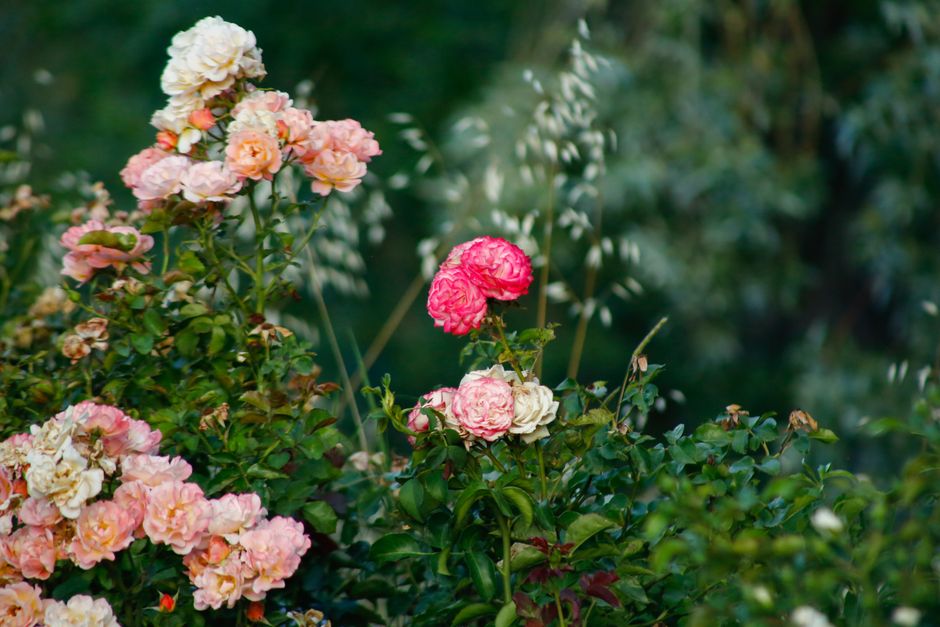
In Surrey, the climate is more forgiving than most of Canada. Winters are mild. The ground rarely freezes hard. Roses here are not fully dormant the way they would be in the BC interior or the Prairies — they look alive all winter, which makes it tempting to prune too early.
The old signal still works: forsythia. When those yellow flowers open, your roses are ready. In Surrey that usually happens in late February. If you do not have forsythia nearby, look at your rose canes — the first red swelling of new buds at the joints is your cue.
Do not prune during a freeze. March frosts still happen here. A late prune in mid-March is always better than an early one that exposes fresh cuts to frost damage. The Royal Horticultural Society recommends February or March for most climates similar to ours — which is sound advice. Our coastal mildness just shifts that window slightly earlier.
What to cut and how to cut it
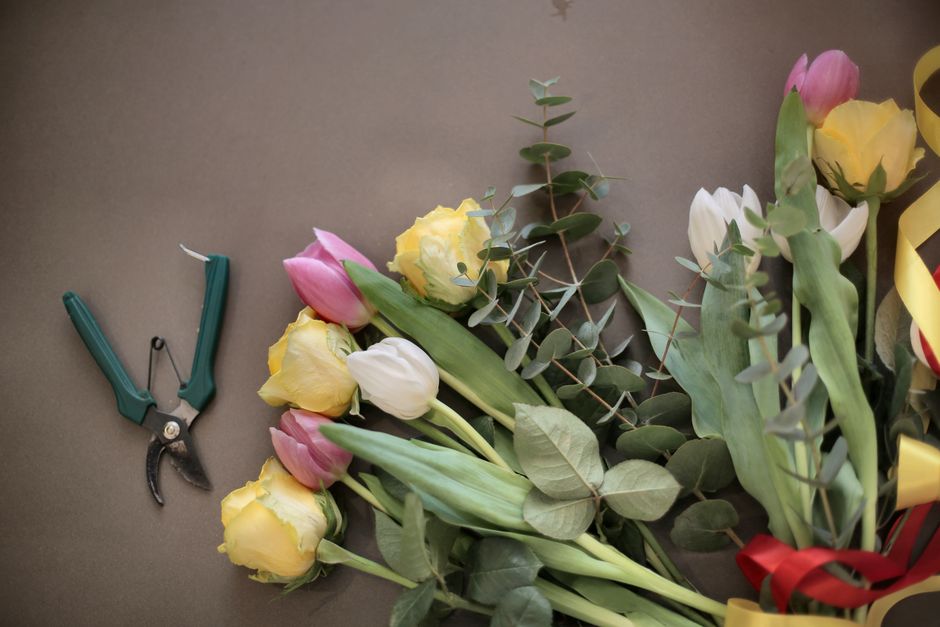
The same logic applies to every rose type. Start by removing anything dead, diseased, or crossing another cane. Then open up the centre — you want air moving through the plant and sunlight reaching the interior. Dense, tangled growth is where blackspot and powdery mildew take hold.
Make your cuts at a 45-degree angle, sloping away from the bud, about ¼ inch above an outward-facing bud. An outward-facing bud points away from the centre of the plant. New growth follows the cut, so cut toward where you want the plant to go. The University of Illinois Extension spells this out well for hybrid teas and floribundas.
For hybrid teas and floribundas, be aggressive. Remove 50–67% of the cane height. Leave 3–6 healthy canes. It looks brutal the first time. It is correct. For shrub roses, removing about a third is usually enough. They are less fussy.
The same arborist logic I apply to tree pruning applies here: make clean cuts, cut to structure, and do not leave stubs. A stub is just a place for disease to enter. Cut back to a bud or to the base and leave nothing dangling.
Different roses, different rules
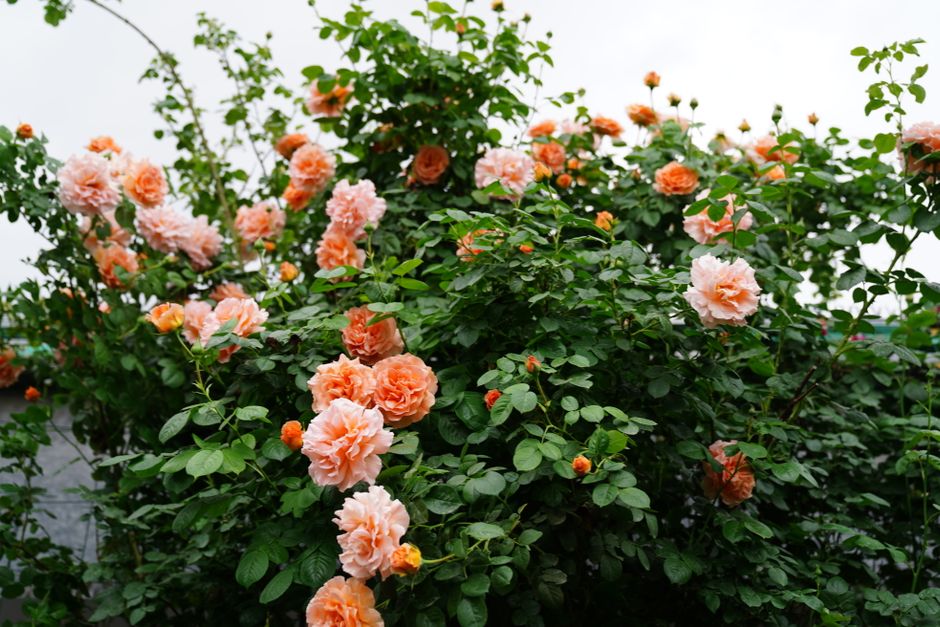
Here is the rule that trips most people up: once-blooming roses are different.
Hybrid teas, floribundas, and most modern shrub roses bloom repeatedly through the season. They need late-winter pruning to set up the year. That is the standard advice above.
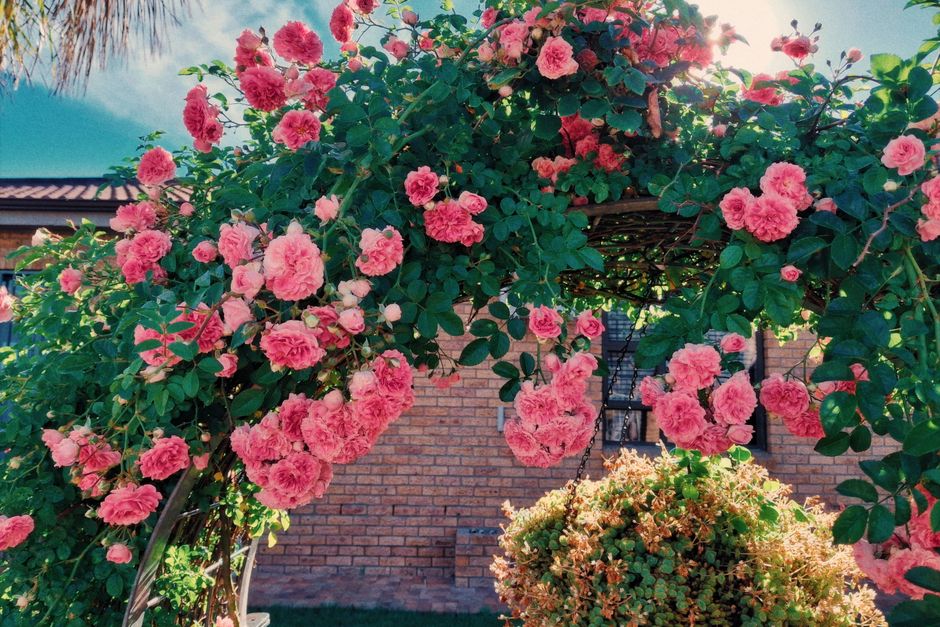
Climbing roses and ramblers — many of which bloom only once in early summer on last year's growth — should not be pruned in late winter or spring. If you cut them now, you are cutting off this year's flowers. Prune those after they finish blooming, in late June or July. Remove old exhausted canes at the base. Keep the newer canes and train them horizontally to encourage more lateral flowering shoots.
I have had more than a few homeowners tell me their climbing rose "does not flower anymore." Nine times out of ten, they have been pruning it at the wrong time. The plant is not broken. The timing is. Easy fix.
If you have an older landscape with mixed shrubs and climbing plants that you are not sure how to approach, that is a reasonable time to ask a pro to walk the property with you.
The tools you actually need
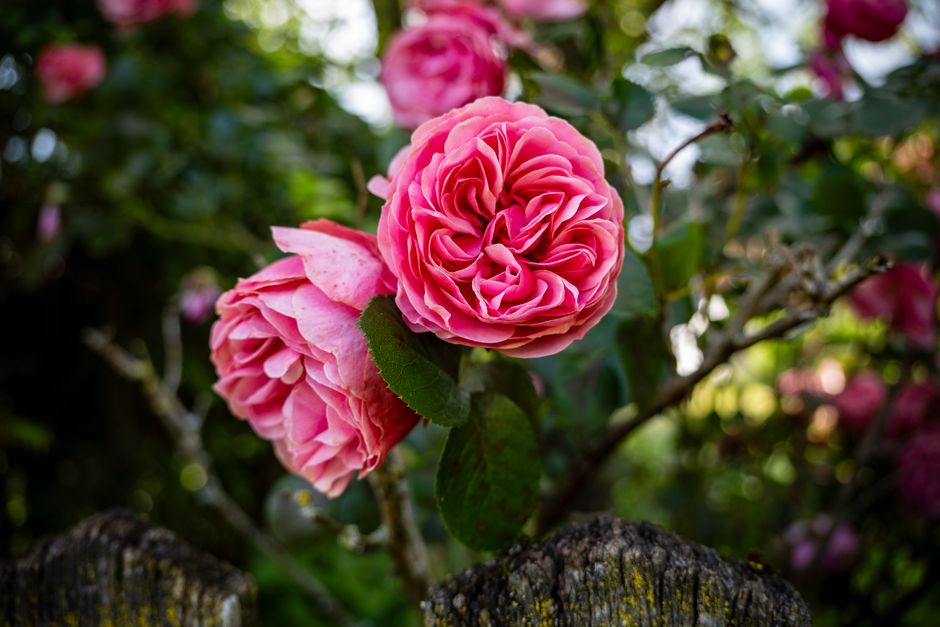
A sharp pair of bypass secateurs handles most roses. Bypass, not anvil — the cutting action matters. Bypass blades pass each other like scissors; anvil blades crush the stem against a flat edge. Crushed stems heal poorly and invite disease.
Add loppers for older woody canes over about ¾ inch thick. Thick leather gloves are non-negotiable. Roses are not polite about thorns.
Clean your blades before you start — and between plants if blackspot or rust is around. A 10% bleach solution works, or wipe with rubbing alcohol. Infected cuttings spread disease, and dirty blades are how it travels from plant to plant. I clean my pruning tools before every job on a property— same principle.
When not to call an arborist
For basic annual rose pruning, you do not need an arborist. This is well within DIY territory if you have secateurs, an hour, and a pair of decent gloves. I would be doing you a disservice to pretend otherwise.
Where it gets complicated is scale. Some heritage climbing roses in the Lower Mainland get enormous — 20 feet across a trellis, thick woody canes at the base, significant weight to manage. Heavy renovation work at that scale involves ladders, understanding structural load, and knowing which canes are worth saving. That is where we come in.
We also get calls about roses that have grown into adjacent trees, or roses planted under power lines where the reach exceeds what is safe from the ground. Any shrub or climbing plant work that involves significant height, a chainsaw, or proximity to power lines — that is when you call (437) 771-4741.
For everything else? Bypass secateurs, late February, outward-facing buds. You have got this.