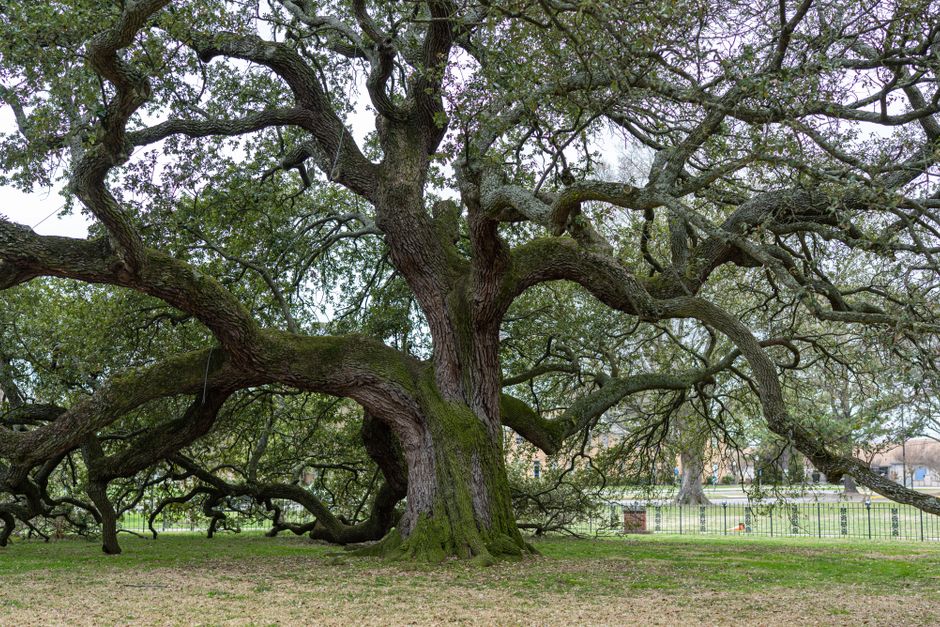
An oak tree can live 500 years with no help from anyone. Which makes it slightly ironic that a bad pruning job can kill one in a single season.
The short answer: prune oak trees between October and February, when the beetles that spread oak wilt are dormant. Do it in June and you're essentially ringing a dinner bell.
Quick answer: Oaks need pruning during dormancy — late fall through February — to avoid oak wilt disease. Use proper branch collar cuts, never remove more than 25% of the canopy in a year, and don't top the tree under any circumstances.

Why prune oak trees
Most oaks can go years without needing anything more than a look. But "looks fine" isn't the same as "is fine." There are three real reasons to prune.
Dead or dying branches. They'll fall eventually — usually in a storm, usually in the worst possible direction. Removing them during dormancy costs a fraction of what you'll spend repairing whatever they land on.
Crossing and rubbing branches. Where two branches rub, the bark gets damaged. Damaged bark is an entry point for fungal rot and secondary infection. Left alone, what starts as a rub scar becomes a wound the tree cannot seal.
Crown clearance. Branches over the roof, too close to power lines, or blocking sightlines. A limb 15 centimetres from the eave in spring is 8 centimetres from it in a wet winter when it sags under weight.
If a branch is dead or crossing, now is the right time to deal with it. Every season you leave it is another season of hazard accumulating. Our oak tree pruning service in Surrey starts with a crown walkthrough before any cuts are made.
When to prune oak trees in BC
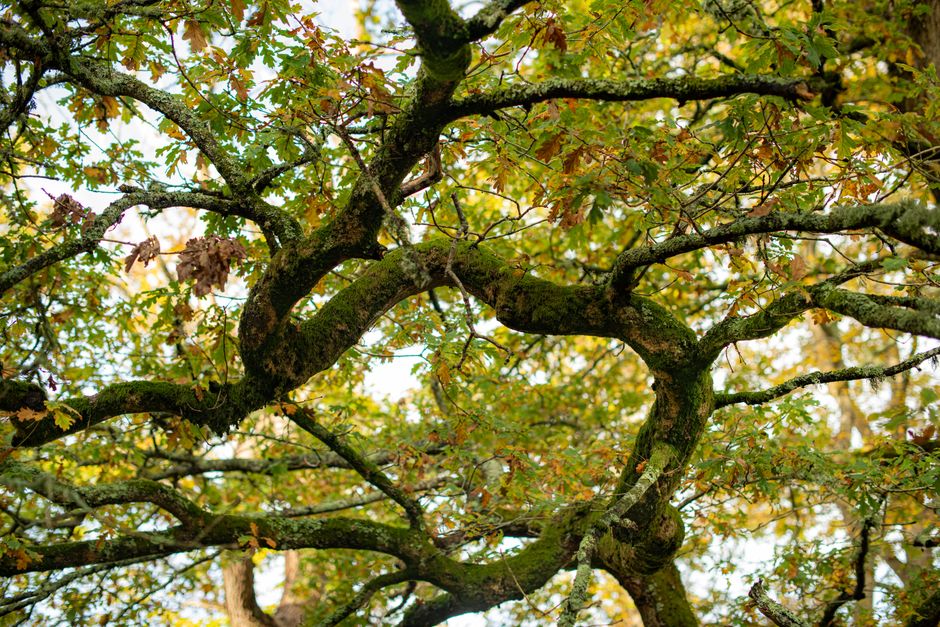
The right window in British Columbia is late October through February. This is about more than dormancy — it's about a beetle.
Sap-feeding beetles spread a fungal pathogen called oak wilt. They're most active between April and July and are drawn specifically to the scent of fresh pruning cuts. Prune during peak beetle season and you're running a risk that's entirely avoidable when the fix is simply to wait for winter.
Oak wilt is less common on the BC coast than in eastern North America, but Garry oak — the Lower Mainland's native species — is still susceptible. And for a tree that may be 150 years old, the risk isn't worth it.
Winter pruning has a practical advantage too: the tree is dormant, you can see the branch structure clearly without leaves in the way, and wounds seal faster in the growing season that follows.
Rule of thumb: if you're unsure about timing, dormancy is always the safer call. A tree that needs pruning in July can wait until November. A tree infected with oak wilt can't. For a deeper look at how species and season interact, our oak pruning timing guide covers the BC-specific factors in more detail.
How to prune properly — the cuts that matter
Three things matter most when pruning oak trees.
Cut at the branch collar. The branch collar is the slightly swollen ring where the branch meets the trunk or parent stem. Cut just beyond it — not flush against the trunk, not leaving a long stub. The collar contains the vascular tissue that seals the wound. Cut through it and the tree cannot close the cut properly.
The three-cut method for larger branches. For any branch over 5 cm in diameter: first, undercut about 30–45 cm from the trunk, partway through. Second, cut from the top further out to drop the branch — this prevents the weight from tearing bark on the way down. Third, remove the remaining stub just outside the collar. Skip this sequence on a large limb and you'll strip bark down the trunk.
The 25% rule. Never remove more than 25% of the live canopy in a single year. The canopy is the tree's energy source. Exceed that threshold and the tree responds with stressed, weak regrowth — multiple thin leaders competing for space, structural problems compounding year over year. Spread significant work across two or three seasons if needed.
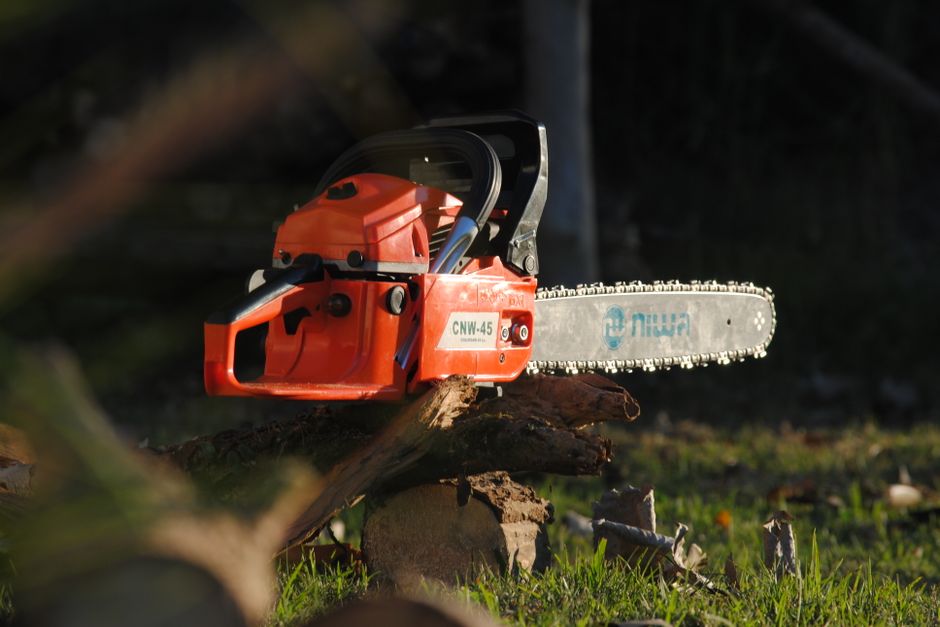
Sanitize your tools between trees. A 10:1 water-to-bleach solution or rubbing alcohol. If you're working on multiple oaks in a session, do it between every tree — disease travels on blades. ISA Canada maintains a directory of certified arborists if you want a professional to take over at any point.
What not to do
Don't top your oak. Topping means cutting the main leaders back to stubs. It leaves large wounds that cannot seal properly, triggers multiple weak competing leaders, and accelerates long-term decline. Nine times out of ten, when a homeowner calls asking to "cut it back because it's gotten too big," someone has told them topping is the answer. It isn't. It's the most damaging thing you can do to a mature tree.
Don't prune between April and July. Fresh cuts in warm weather are a direct invitation to sap beetles. If storm damage forces a summer cut, paint the wound immediately with latex-based paint or a purpose-made wound sealant. This is the one situation where a wound dressing is actually warranted — to mask the cut scent, not to help the tree heal.
Don't make flush cuts. Cutting a branch flush with the trunk removes the collar tissue the tree needs to compartmentalize the wound. It looks neater. It heals worse.
And don't hire someone who uses climbing spikes on your oak to access the canopy. Spikes damage the bark and create entry points for infection. An arborist who reaches for spikes on a living deciduous tree is a question worth asking about before any work starts.
What oak tree pruning costs in Surrey
I'll give you straight numbers, because nobody else usually does.
A few years back I assessed a 120-year-old Garry oak in South Surrey. The homeowner had been quoted $2,400 to remove it. Reason given: "leaning" and "unsafe." I went and looked: the lean was natural growth, not failure. There were dead branches, but removable. The tree had decades left in it.
Crown thinning ran $650. Deadwood removal $300. Total: $950. The homeowner saved $1,450 and kept a heritage tree that cannot be replaced. That's what calling for a second opinion is worth.
| Tree size | Rough cost range (CAD) |
|---|---|
| Small oak (under 6m) | $300–$650 |
| Medium oak (6–12m) | $650–$1,200 |
| Large oak (12m+) | $1,200–$2,000+ |
| Deadwood removal only | $250–$600 |
| Tree assessment (credited toward work) | $150 |
Access difficulty, proximity to structures, and the number of dead leaders all affect the final number. An assessment tells you what you're actually dealing with before anyone picks up a saw. If you decide to proceed, the $150 goes toward the work.
When to call an arborist
Don't call for every small prune. A healthy oak can go three to five years without needing anything more than a look. Save the arborist visit for when it actually matters.
Call when the work is more than 8 metres off the ground. Ground-level work on a small tree is manageable with the right equipment. Anything requiring significant height on a tree this dense is a different situation.
Call when the tree is within fall distance of a structure. A miscalculated cut near your house isn't a mistake you walk away from cheaply. The assessment fee is considerably less than the structural repair.
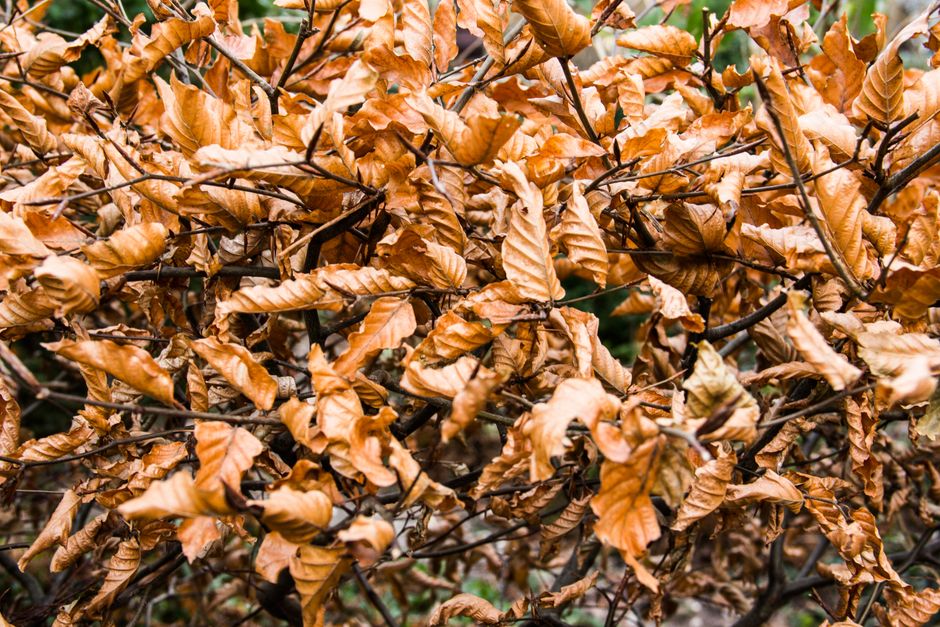
Call when you see summer wilting that shouldn't be there. Leaves browning from the tips outward in August, when the rest of the tree looks green — that's not normal. It could be oak wilt. Oak wilt moves fast. Don't wait on it.
Call when someone has quoted you removal and you're not certain. A lot of oaks get taken down that had years left. I reckon more than half the "removal" quotes I see on oaks are jobs that could have been a prune and some deadwood work. A second assessment costs $150 and can save you $1,200.
When none of those apply — small tree, accessible branches, good timing, nothing fragile nearby — DIY is genuinely fine. I'm not going to tell you to call us for work you can safely handle yourself.