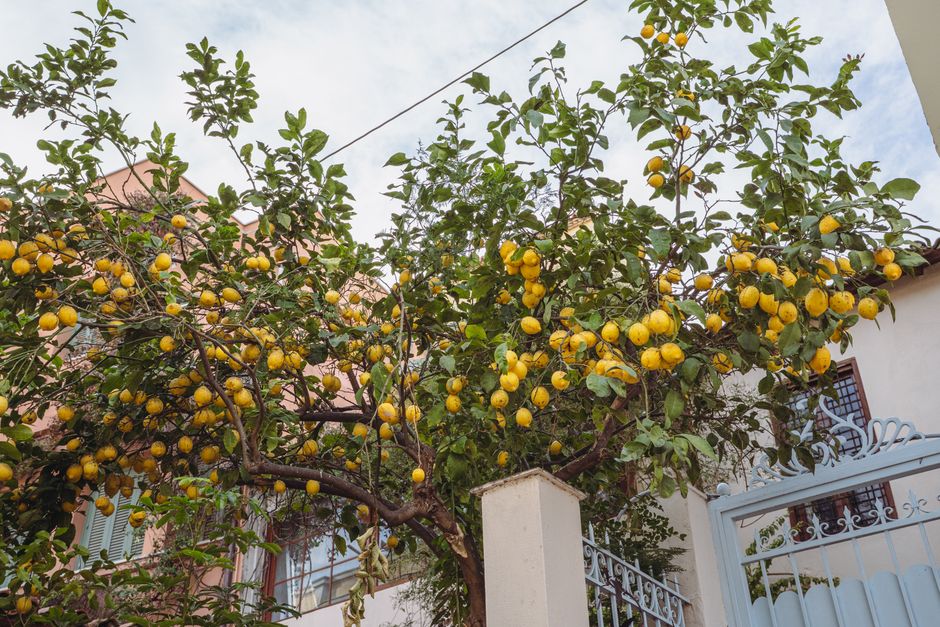
Pruning a lemon tree sounds like it should be complicated. It isn't. The only thing sourer than an unpruned lemon tree is the harvest you'll get from one. (That's the whole argument for doing it, really.)
Short answer: Prune in late winter, before new growth starts. Remove dead wood, rootstock suckers, and any branches crossing through the canopy. Never take off more than 30% in a single session. For Surrey, BC — where frosts can run into early March — that window lands somewhere between late February and mid-March in most years.
The rest of this guide covers timing, what to actually cut, how to do it without setting the tree back, and the specific adjustments for container lemon trees in BC's climate.
When to prune a lemon tree in BC
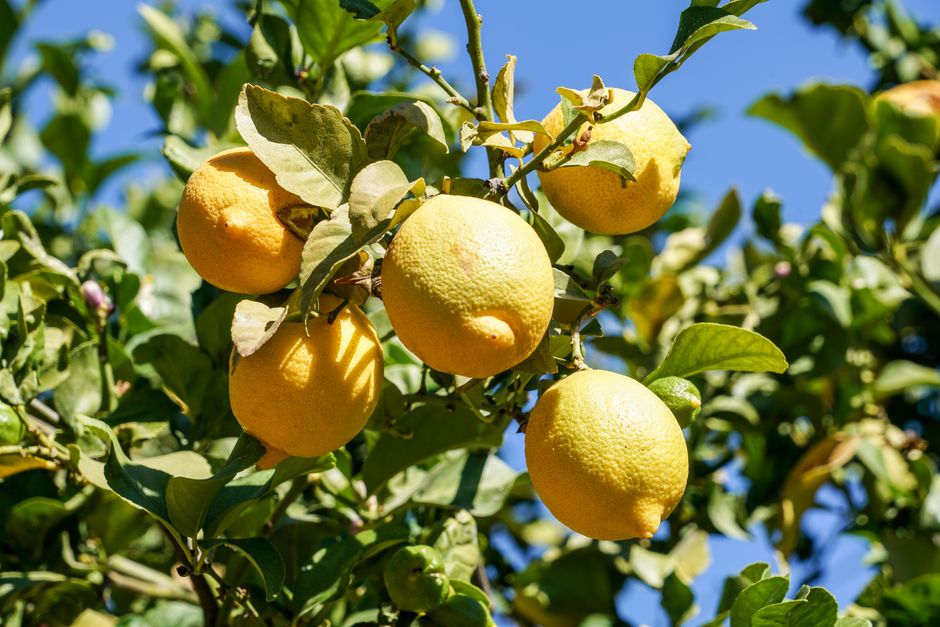
Late February to mid-March is the target window in Surrey's zone 8b. You want to be past the last hard frost and ahead of the spring flowering flush.
Lemon trees are evergreen — they don't go fully dormant the way an apple or plum does. But they do slow down over winter. Pruning just before spring growth kicks in means the tree can heal quickly and channel its energy into the new flush rather than repair.
Fall pruning is the most common timing mistake. Cut in October or November and the fresh wounds and any new growth that follows are sitting exposed when the temperatures drop. Zone 8b means frosts through February in a typical year. A warm October followed by a November prune followed by a cold snap is a sequence worth avoiding.
Rule of thumb: if the forsythia in your yard is blooming, the window has opened. That's not a tree textbook tip — it's just a practical marker most Surrey homeowners have in the garden already. Forsythia blooms reliably early. When it goes yellow, it's time for the secateurs.
Light maintenance — removing a dead branch or a rootstock sucker — is fine any time of year. A full structural prune should happen in late winter.
What to look for before you start cutting
Not all pruning is the same. Lemon trees have a few things to check that other fruit trees don't.
Rootstock suckers. Most lemon trees sold in BC are grafted — a fruiting variety (Meyer, Lisbon, Eureka) on a hardy rootstock. Suckers from below the graft union will eventually take over the tree if you leave them. They look like vigorous shoots from low on the trunk or from below the soil line. Cut them off as close to the source as you can. No stubs.
Water sprouts. Straight, fast-growing shoots heading straight up through the canopy. They shade the interior, compete for energy, and produce no fruit. Remove them entirely.
Dead and diseased wood.Start here, every time. Dead branches are straightforward: no leaves, bark that flakes, wood that snaps dry. Any wood with unusual discolouration or spotting — cut it out, disinfect your shears before the next cut, and don't compost the removed material. Lemon trees can carry fungal issues. Don't spread them through the rest of the tree on a dirty blade.
Crossing branches.Two branches rubbing on each other eventually causes bark damage — an entry point for disease. Pick the one that's better positioned for the canopy shape. Remove the other.
That list, in that order, is usually enough. Most lemon trees in BC don't need dramatic reshaping — they need the dead wood gone, the suckers removed, and the canopy opened up a bit. The shaping is a finishing step, not the main event.
How to prune a lemon tree — step by step
You don't need a lot of equipment. Sharp secateurs handle most of it. A pair of loppers for anything over a centimetre thick. If there's any sign of disease, a small container of isopropyl alcohol for disinfecting between cuts.
Step 1: Remove dead and diseased wood first.Always. Before anything else. This sets the baseline for what you're actually working with.
Step 2: Cut out rootstock suckers. Anything growing from below the graft union. No stubs.
Step 3: Remove water sprouts. Flush to the parent branch. No stubs.
Step 4: Take out crossing or rubbing branches.Keep the one that's positioned better for the canopy. Remove the other cleanly.
Step 5: Shape the canopy.Stand back and look at the overall structure. A lemon tree does best with an open-centre shape — light and air reaching the interior branches. Thin out any cluster of branches that are competing. Keep the overall height manageable if it's in a container.
The 30% rule.Don't remove more than 30% of the foliage in a single session. Nine times out of ten, a lemon tree that won't produce fruit has been over-pruned at some point. The tree doesn't die — it just uses the next growing season on recovery instead of fruit. It's a slow, frustrating result for something that was easy to avoid.
For a good overview of pruning fruit trees for the winter season and general timing across different species, that post covers the broader picture. And if you're not sure whether your secateurs are up to the job, sharpening and cleaning your pruning shears properly makes a bigger difference than most people expect.
Container lemon trees in Surrey — a few extra things
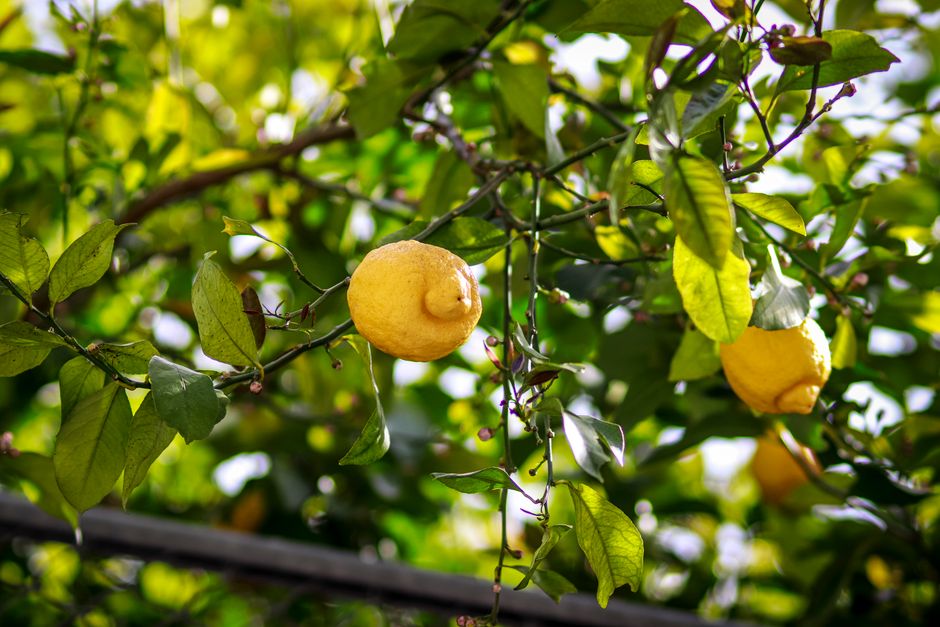
Most lemon trees in Surrey are in containers — brought outside for summer, back inside before the first hard frost. That's usually October. A few adjustments apply.
Don't prune on the way inside. The transition from outdoor to indoor conditions is already stressful on the tree. Adding a significant prune at the same time doubles that stress. Let the tree settle for the winter first.
Do the main prune in late February, before moving it back outside. The indoor environment keeps a container lemon in a kind of suspended state through winter. The spring prune and the move outside can happen in the same week once the frost risk has passed.
You can prune container trees a bit harder than ground-planted ones. The root system is more limited, which means the above-ground portion can be kept smaller without stressing the plant. Still stay under 30% in a single session, but you can work closer to that ceiling if the tree has grown out of its space.
I saw a version of this go wrong last year. A Surrey homeowner brought their Meyer lemon inside in November and took about 40% off the canopy at the same time — they were trying to reduce the size to fit the indoor space, which was fair reasoning. The tree spent the entire next growing season rebuilding structure. Fruited poorly, then a second reduced season while it found its balance again. Two seasons of mediocre harvests from one decision. If they'd waited until February and taken a measured amount at the right time, the tree would've come through without missing a beat. A twenty-minute conversation in advance would have cost them nothing.
The UC Master Gardener guide on lemon pruning is a solid reference for the principles, though it's written for California climates. The core pruning technique is the same in BC; just adjust the timing to account for our longer frost window.
Mistakes that cost you fruit
Pruning in fall. As above — frost hits new growth, wounds struggle to heal in cold weather. Spring pruning avoids both problems.
Over-pruning.More than 30% in one session. The tree won't die, but it will defer fruiting. I reckon more lemon tree frustration comes from this than from anything else.
Leaving stubs.A clean cut close to the branch collar heals well. A stub — a branch cut partway, leaving a short section sticking out — doesn't. It dies back to the collar anyway and typically becomes a disease entry point in the process. Cut clean, cut close.
Not disinfecting between diseased cuts.If you're removing anything that looks diseased, isopropyl alcohol on the blade before the next cut. Cheap, two seconds, prevents spreading a fungal problem through the rest of the tree.
Skipping the rootstock suckers.They're easy to miss if you're not looking for them. But left in place, they grow faster and stronger than the fruiting variety above and will eventually dominate the tree. The lemon stops producing. You end up with a very vigorous, very useless plant. Check below the graft union every time you prune.
The ISA Canada arborist finder is worth bookmarking if you ever want a certified eye on a tree that isn't responding the way it should.
When you don't need us — and when you might
Honest answer: most lemon tree pruning in Surrey does not need a professional.
A container lemon under 6 feet, with obvious dead wood and a few suckers to remove — that's a half-hour job with sharp secateurs and this guide. Call us for something else. You don't need to pay an arborist for a task this size.
You might want to call if:
- The tree is large, established outdoors, and hasn't been touched in several years. A quick assessment before a major prune tells you what you're actually dealing with and what's safe to take off.
- There's unusual die-back, discolouration, or canker-like lesions on the bark. Identify what you're dealing with before you prune — cutting into an active disease problem can spread it to the healthy wood.
- The tree is 8 feet or taller and in an awkward position. Above that height, you're on a ladder, which changes the risk calculation. That's where it makes sense to have a trained eye on the job.
For everything else: this guide, sharp tools, right timing. You've got it. See our tree pruning services if you want a full picture of what we do and when to call.