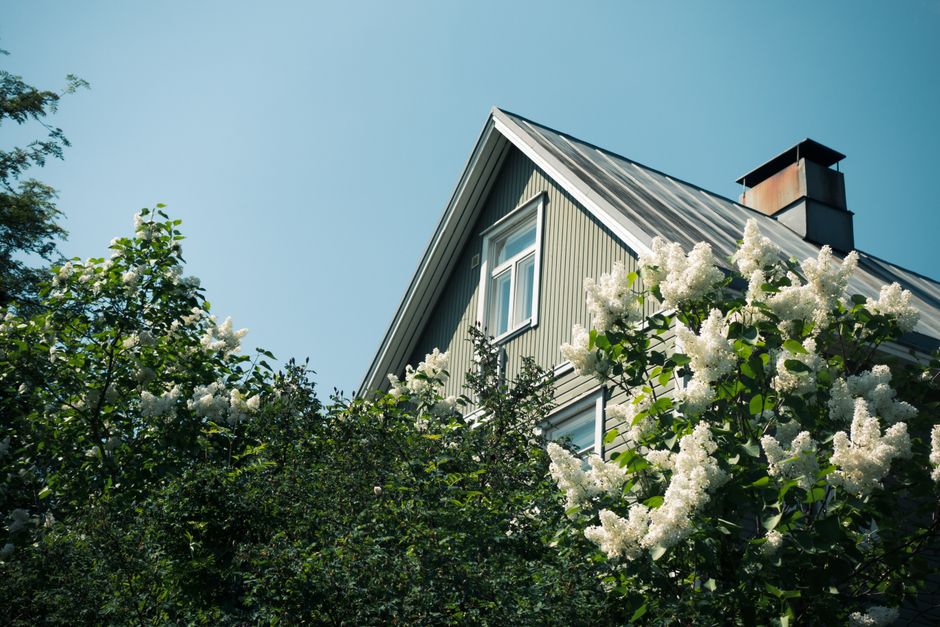
Every spring, someone calls us because their lilac hasn't bloomed again. They watered it. They fertilized it. They waited patiently. Nine times out of ten, it isn't neglect — it's the wrong variety for a coastal winter.
The common lilac is beautiful, fragrant, and entirely the wrong tree for most of Surrey. (If that's not the answer you were hoping for, keep reading — there are varieties that work very well here.)
Quick answer: Lilac trees grow well in Surrey with the right selection. Japanese tree lilac (Ivory Silk) and Korean dwarf lilac (Palibin) both bloom reliably in coastal conditions. Common lilac needs cold winters your climate can't reliably deliver. Plant in full sun, amend for drainage, and prune the moment flowers fade.

Which lilac tree should you actually grow in Surrey?
The word "lilac" covers several distinct plants. Getting the variety right is the difference between flowers every May and a healthy shrub that blooms once in a decade.
Common lilac (Syringa vulgaris) — the classic. Deep purple or white flowers, unmistakable fragrance. The problem for Surrey: it needs 1,000–2,000 chilling hours below 7°C each winter to set flower buds properly. The BC coast typically delivers 400–700. Result: lush foliage, very few flowers. GrowersGuide BC covers the chilling-hours issue in detail if you want the full picture.
Japanese tree lilac (Syringa reticulata 'Ivory Silk') — grows as a proper tree, up to 9 metres. Creamy white flowers in late June rather than May. Doesn't need a harsh winter. This is the one I recommend most often for Surrey properties — it works, it's structural, and it lives a long time.
Korean dwarf lilac (Syringa meyeri 'Palibin') — compact (1–1.5 metres), blooms reliably in coastal conditions. Good for smaller gardens, narrow beds, or along driveways.
Bloomerang series — reblooming lilacs that flower in spring and again in late summer. Less fragrant than common lilac, but they don't care about your coastal climate. Good option if fragrance is less important than reliable colour.
I reckon 80% of the "my lilac won't bloom" calls we get come down to variety. The plant was doing exactly what it was bred to do — it just wasn't bred for the Lower Mainland.
Growing conditions: what a lilac tree actually needs
Lilac trees are not demanding once established. But they have a short list of non-negotiables, and skipping any one of them costs you flowers.
Full sun. Six hours minimum. Eight is better. A shaded lilac is a shrub in permanent underperformance. This is probably the most common mistake after variety selection — people plant lilac in a north-facing spot because it looks like it might fit, then wonder why nothing happens.
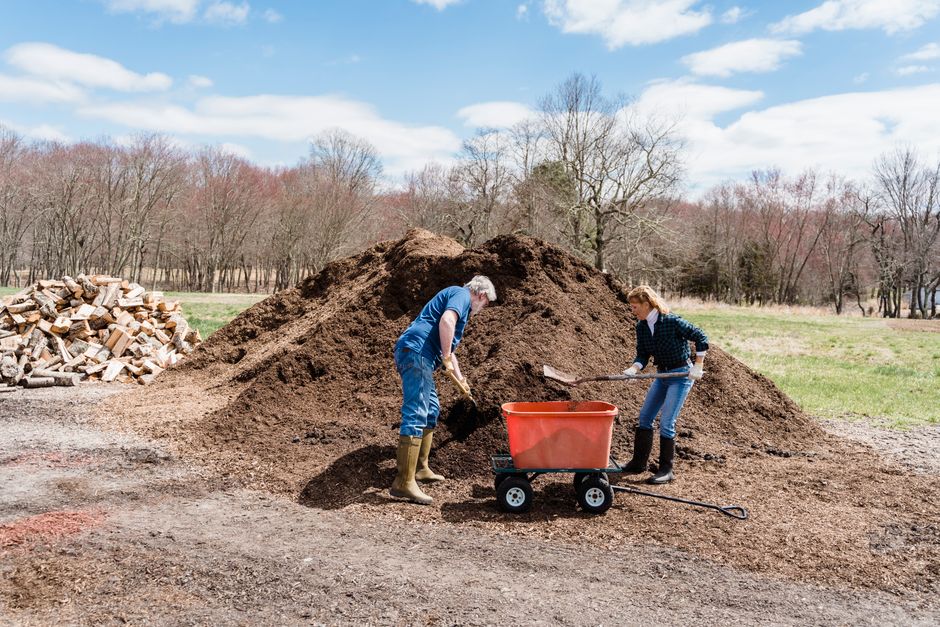
Well-drained soil. Lilacs dislike wet feet. Surrey's heavier clay-based soils can stay saturated for days after heavy rain. If your site holds water more than a few hours after a downpour, amend before planting — compost worked into the top 30–40 cm helps significantly. Sandy loam is ideal.
Soil pH near neutral. Lilacs prefer 6.5–7.0 pH. Many Surrey soils lean slightly acidic. A soil test costs $30 at most local nurseries and saves several years of wondering what went wrong. Adding dolomite lime adjusts pH upward gradually — one cup per square metre of root zone, applied in fall.
Spacing. Common lilac spreads 3–5 metres wide at maturity. Ivory Silk Japanese tree lilac has a narrower crown (2–4 metres) and suits tighter spots near buildings. Give them room from the start. A lilac crammed against a fence is a lilac setting itself up for powdery mildew.
Planting your lilac tree: timing and site
Fall planting (September–October) is the rule of thumb for lilacs in Surrey. The ground is still warm enough for root establishment, and the tree gets a full season's head start before its first summer. Spring planting works too — just water more diligently through June and July.
Dig the planting hole twice as wide as the root ball and the same depth. Lilacs don't want to be planted deep — the crown should sit at grade or slightly above. Backfill with the original soil mixed with one part compost. No fertilizer in the planting hole. It burns young roots.
After planting, add a 5–8 cm layer of compost mulch over the root zone, keeping it pulled back from the trunk. This retains moisture, moderates soil temperature, and feeds the tree slowly as it breaks down. Don't pile mulch against the bark — that's a direct path for rot.
Stake only if the root ball is too small to hold the tree upright in wind. Most container-grown lilacs don't need it. If you do stake, remove the stake after one growing season. A tree that leans on a stake doesn't develop the trunk strength it needs.
Watering and fertilizing a lilac tree
Young lilacs — anything under three years old — need consistent moisture through their first few BC summers. Once a week is enough outside of extended dry spells. Deep and slow beats frequent and shallow. You want roots reaching down, not sitting at the surface waiting for the next hose pass.
Established lilacs are surprisingly drought-tolerant. In a normal Surrey summer, they manage fine without supplemental watering. During a heat event, a good deep soak once a week is enough.
For fertilizer, the rule is: less is more. A balanced slow-release fertilizer in early spring covers most situations. Avoid high-nitrogen formulas — they push leafy growth at the expense of flowers. (A lilac fed too much nitrogen is a very healthy non-blooming lilac, which is the worst kind.) Compost mulch, maintained year over year, does more good than most fertilizer products.
One important point: do not fertilize after mid-summer. Late-season growth doesn't harden off before the first cold and is more vulnerable to die-back.
When and how to prune your lilac tree
Timing is everything with lilac pruning — and it's the reason most people accidentally cut off next year's flowers.
Lilacs bloom on old wood. This year's flowers are set on growth from last year. Prune in spring before flowering and you're cutting off buds that were already there. Prune in late summer and you're cutting off buds that just formed. The window is specific: immediately after the flowers fade, while you can still see the spent blooms. For Surrey, that usually means late May to mid-June.
For tree-form lilacs (particularly Ivory Silk), the main tasks are:
- Remove dead or crossing branches
- Thin out the centre to improve airflow
- Deadhead spent flower clusters to redirect energy into new bud formation
- Remove suckers from the base as they appear — they'll outcompete the main tree if left
For a detailed breakdown of technique, tools, and what to do with an overgrown lilac that hasn't been touched in years, see our post on lilac tree pruning timing and technique.
Common lilac tree problems — and what they actually mean
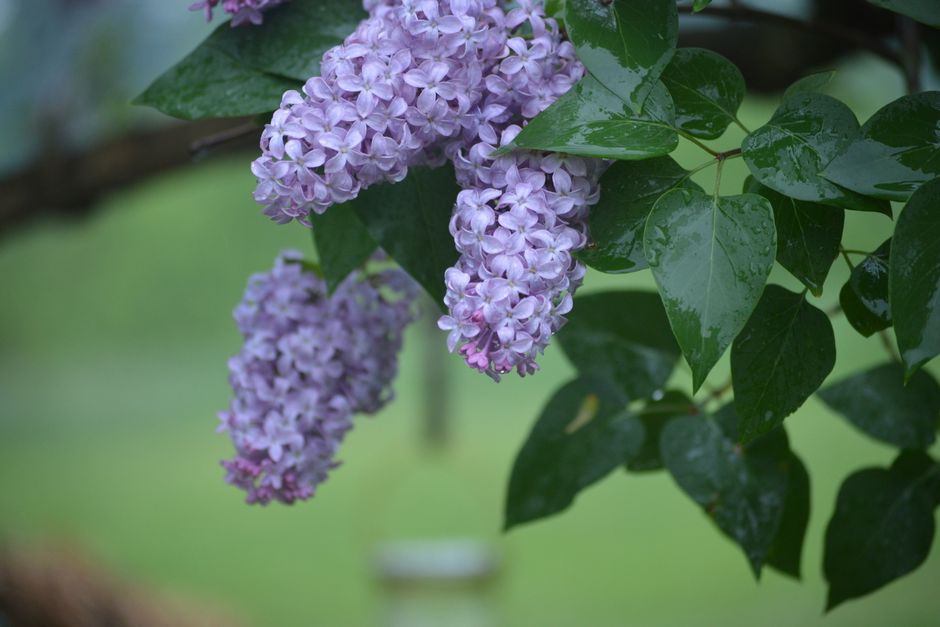
No flowers, healthy leaves. Almost always variety mismatch (covered above) or pruning at the wrong time. Check when it was last pruned. If the answer is "last August," you cut off this year's buds when they were forming. Wait until after it blooms — if it ever does — and prune immediately.
Powdery mildew. White coating on the leaves in late summer. Rarely fatal, but it spreads and looks terrible. Caused by poor airflow — usually a plant jammed against a fence, wall, or another shrub. Better pruning opens the interior. Copper-based fungicide works for active infections, though it treats the symptom rather than the cause.
Yellowing leaves. Most often a soil pH problem. Surrey soils can run slightly acidic, blocking magnesium uptake even when the nutrient is technically present. A soil test confirms it. Dolomite lime raises pH and adds magnesium at the same time. Apply in fall, allow a full season before expecting results.
Suckers from the base. Common lilacs produce vigorous root suckers. Remove them at the base the moment you see them — flush with the ground or traced back to the root. Leave them and they'll outcompete the named cultivar. (This is what creates the "wild lilac thicket" look on old properties — nobody removed suckers for 30 years.)
Die-back on specific branches. Could be lilac borer, bacterial canker, or winter injury. For isolated branches, prune back to healthy tissue and sterilize the saw between cuts. If die-back covers more than 20–30% of the crown, it warrants a proper assessment.
A few years back, I looked at a property in Surrey where the owner thought his "problem lilac" needed to come out. It was a Syringa vulgaris planted on the west side of a cedar hedge — full shade, wrong variety for the climate, never been pruned correctly. We replaced it with an Ivory Silk Japanese tree lilac in a sunny corner of the same yard. It flowered the following June. The problem wasn't the plant. It was the placement.
When not to hire us (and when you probably should)
Honestly, most lilac tree problems don't need an arborist. They need the right variety, better sun exposure, or a timing adjustment on pruning. If that's your situation — sort it out and save the consultation fee.
That said, call us for:
Structural work above 3 metres. Ivory Silk Japanese tree lilac grows to 7–9 metres. Pruning at that height is a climbing job. A heavy branch dropped in the wrong direction can do serious damage to a deck, fence, or anything underneath it. If you're working with a ladder that needs a spotter, call instead.
Significant die-back or canker spreading into main branches. A tree health assessment costs $150 and tells you whether what you're dealing with is manageable or requires removal. Some fungal cankers spread fast. Others are contained to one branch and handleable with targeted pruning.
When you're not sure what you have. This sounds trivial. It isn't. Common lilac, Japanese tree lilac, and Korean dwarf lilac are managed differently, pruned at different times, and mature at very different sizes. If you're about to remove a 7-metre tree because you think it's "an overgrown lilac that never blooms" — it might be Ivory Silk, which blooms in June and could stand another 30 years. A second opinion costs $150 and sometimes saves a tree.
One thing we won't do: recommend removal on a structurally sound lilac tree that just needs better care. Crown reduction handles most size issues for $500–$1,200. Removal starts at $800 for a medium tree. The math on saving a healthy tree is almost always straightforward.
The Old Farmer's Almanac lilac care guide covers the core horticulture well if you want a second read on the basics.