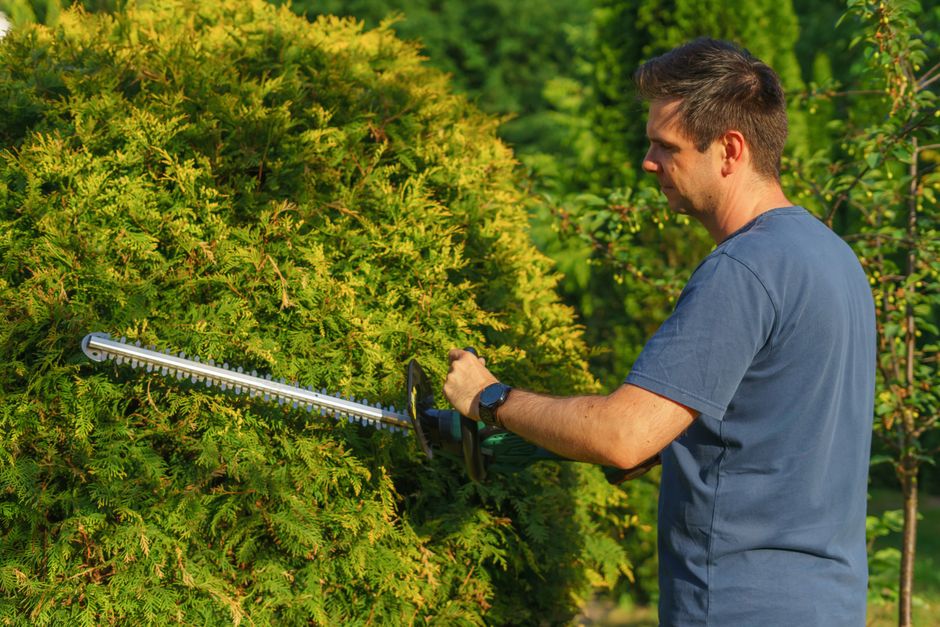
Your hedge clippers are supposed to cut hedges. When they start tearing bark instead of slicing through it, they’ve moved into a different job category. (Landscaping, technically — just the aggressive kind.)
Sharpening takes 20 minutes. It saves your plants from ragged wounds, your arms from the extra force needed to push through with dull blades, and your motor from burning out earlier than it should.
Quick answer:Use a flat metal file, follow the original bevel angle, five to eight single-direction strokes per tooth, then a whetstone pass to remove burrs, then oil. That’s the whole job.
How to tell when your hedge clippers need sharpening
Three signs. The most obvious: cuts that tear instead of slice. A clean cut leaves a flat edge on the stem. A torn cut leaves a ragged one. That ragged wound is where disease gets in — and nine out of ten cases of tip die-back on formally shaped hedging trace back to blunt blades, not disease itself.
Second: the trimmer’s working harder than it used to. If the motor’s straining, you’re needing two passes where one used to do it, or you’re forcing through stems it handled easily before — the blades are the problem, not the hedge.
Third: the blades jam on anything thicker than a pencil.
Rule of thumb: hold a piece of newspaper flat and try to cut it. Sharp blades cut cleanly. Dull blades push the paper and crumple it. Your hedge will thank you for doing this test before the hedge gets the same treatment.
Tools you need
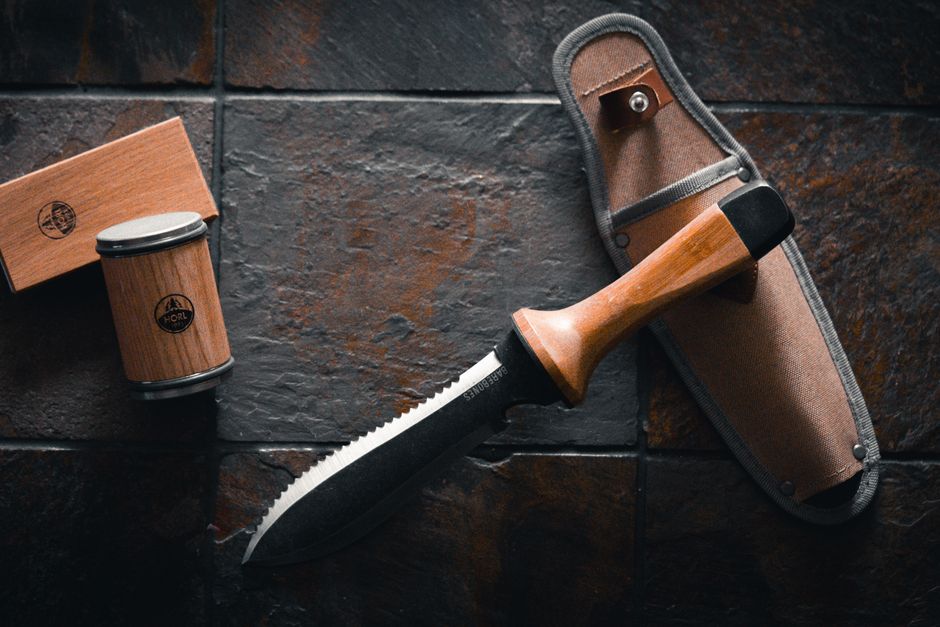
You don’t need a bench grinder or a professional sharpening service. A $15 flat file from any hardware store does the job. Here’s the full list:
- Flat metal file (medium grit)
- Whetstone or diamond hone — for burr removal after filing
- WD-40 or resin solvent — to clean the blades before you start
- Linseed oil or blade oil — for finishing
- Gloves and safety glasses
That’s it. Optional: a sharpening jig if you want a consistent angle without thinking about it. But most people do fine without one once they’ve done it a couple of times.
The ISA recommends clean, sharp tools as a baseline for preventing the spread of disease between plants — another reason the sharpening step actually matters, not just for cutting efficiency.
How to sharpen hedge clippers: step by step
Step 1: Disconnect. Unplug corded models. Remove the battery on cordless ones. For petrol-powered trimmers, read the manual on blade removal before touching anything. This step is not optional.
Step 2: Clean the blades. Sap and resin build up fast, especially through conifer hedging. Spray WD-40 on the blades, let it sit for a minute, then wipe off the residue with a cloth. You cannot sharpen through a layer of dried pine pitch.
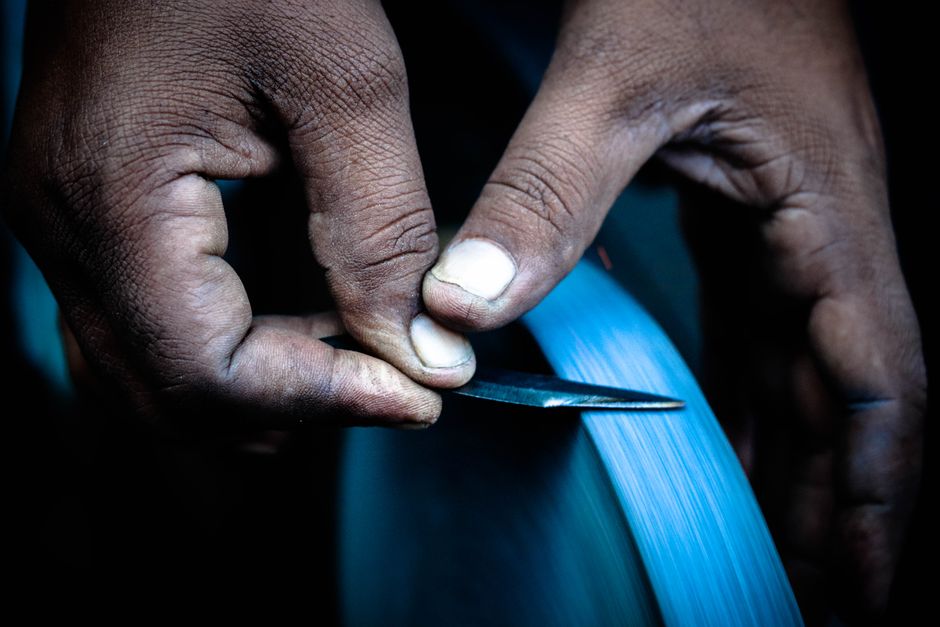
Step 3: File at the bevel. Follow the original bevel angle — look at where the blade is already ground and match it. The angle is typically 30 to 45 degrees. Use single-direction strokes: push the file away from you, lift, return, repeat. Five to eight strokes per cutting tooth is enough for a normal maintenance sharpen.
Step 4: Remove the burr.Filing raises a tiny metal edge (burr) on the flat side of the blade. A quick pass with the whetstone on the flat side removes it. Don’t skip this — burrs tear stems worse than dull blades, which defeats the entire exercise.
Step 5: Oil and reassemble.A thin coat of linseed or blade oil prevents rust and keeps the cutting action smooth. Wipe off the excess. Run the trimmer briefly to work the oil through, then you’re done. The whole process from start to finish should take about 20 minutes.
For a related task, our guide on how to clean hedge trimmer blades covers the full cleaning process separately — worth reading if you haven’t cleaned your blades in a while before sharpening.
How often should you sharpen hedge clippers?
Every 50 hours of use is the guideline. At home, that works out to roughly twice a season. On a commercial site with heavy daily use, you’d be sharpening every day.
I sharpen our crew’s cutters after every significant hedging job. Not because it looks professional (though it does), but because dull blades damage plants. A rough cut on a properly maintained hedge is a disease entry point that costs more to deal with later than the 20 minutes the sharpening would have taken.
Also worth noting: sharpening is safer than not sharpening. A blade that’s not cutting cleanly requires more force. That extra force is where fatigue builds and accidents happen. Sharp tools reduce the risk, not just the effort.
The Royal Horticultural Society recommends cleaning and oiling hedge trimmer blades after each use — sharpening fits into that same habit.
When to call a pro instead
Sharpening your own clippers makes sense for routine maintenance on a home garden. A few situations where it doesn’t:
Cracked or badly nicked blades.A file can’t remove damage that goes deeper than the bevel. If there are visible cracks or chips past what filing can address, the blade set needs replacing, not sharpening.
Hedging over 10 feet tall. At that height, you’re adding a ladder to the equation. Ladders and hedge trimmers together create a risk profile that changes the calculation on DIY. Our Surrey crew handles tall formal hedging as part of our regular work — the equipment and the technique are already there. If you’re in the area, our hedge trimming service takes the whole project off your hands.
Major renovation work.If the hedge hasn’t been touched in years and needs structural shaping, blade sharpening is the least of the concerns. That’s a different job — give us a call and we’ll assess what’s actually needed.