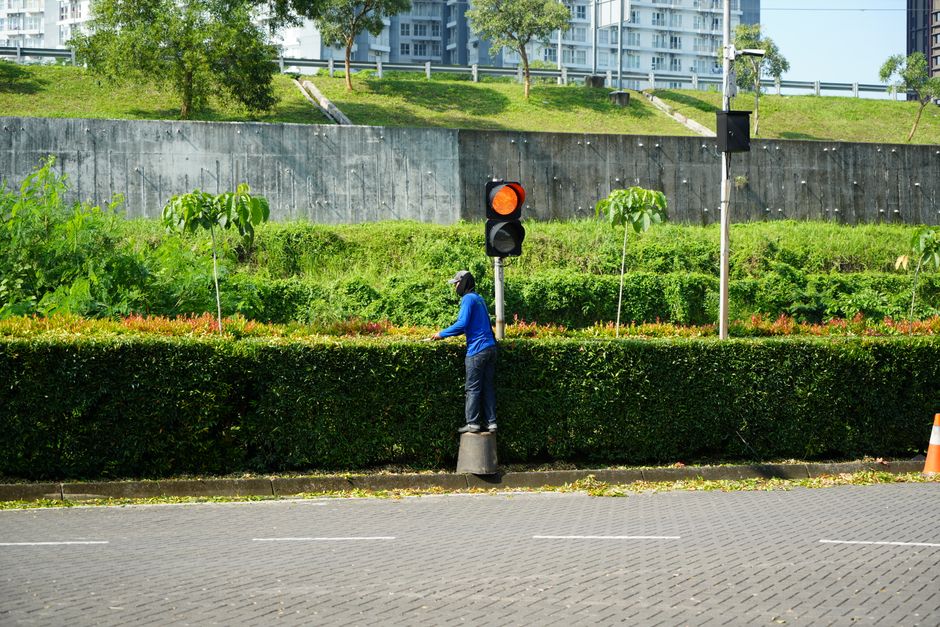
If your hedge trimmer blades are caked in dried cedar sap and you haven’t cleaned them since June, welcome. You’ve found this guide at exactly the right time. (Or the right time was June, but here we are.)
Dirty blades are slower. They tear plant stems instead of cutting cleanly, leaving the hedge looking ragged and stressing the plants. They also wear out at roughly twice the rate of maintained blades. Twenty minutes of cleaning prevents hours of frustration and an earlier-than-expected equipment bill.

Why dirty hedge trimmer blades cause more problems than you think
Sap-caked blades drag instead of cut. The motor works harder — more heat, more wear on the blade mechanism. On cedar and laurel hedges, which are the most common hedge species in Surrey and White Rock, the resin is particularly adhesive. It hardens quickly and acts like a glue between the blade teeth, restricting the stroke and slowing the cut.
There’s also a less-obvious problem: disease spread. Blades that haven’t been disinfected between sessions can carry fungal spores and bacterial infections from one section of hedge to the next. Boxwood blight, in particular, moves this way — a few passes with a contaminated tool can take a healthy section from green to struggling within a single trimming session.
Part of the reason I started Little Tree Care in 2009 was seeing what corner-cutting looks like in the field. A crew running dirty, poorly maintained trimmers is one of the easier tells — the cut quality gives it away before you even look at the equipment. Clean blades cut clean lines.
What you need before you start
Short list — most of this is already in the garage:
- Stiff-bristle brush or old paintbrush
- Isopropyl alcohol (70% or 90%) or dedicated resin solvent
- Soft cloths or rags
- Light machine oil or specialist blade oil
- Safety gloves — the blades are sharp even when they feel dull
- Eye protection
The isopropyl and oil are less than $15 combined at any hardware store. If you’d rather have a dedicated product, resin solvents sold by tool suppliers do a noticeably better job on hardened sap than isopropyl alone — worth it if your hedge is cedar.
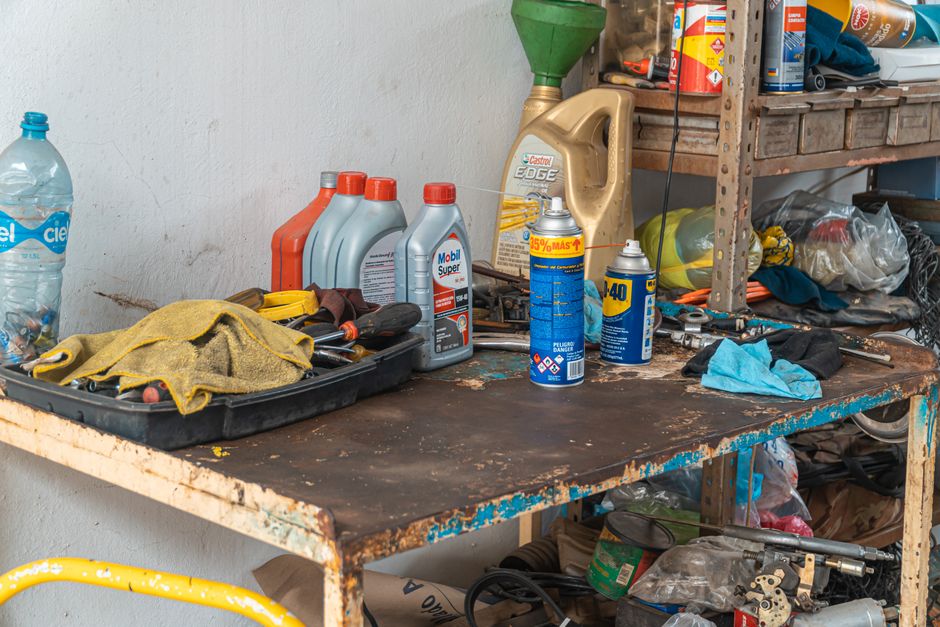
One question I get constantly: “Can I just use WD-40?” WD-40 is a moisture displacer. It loosens things and repels water, which is useful for quick field maintenance. But it evaporates quickly and leaves residue that attracts new grime faster. For long-term blade care and storage, follow any WD-40 use with proper machine oil.

How to clean hedge trimmer blades: step by step
Step 1: Disconnect the power first. Battery models — remove the battery pack. Corded models — unplug. Petrol models — stop the engine and let it cool for at least ten minutes. This sounds obvious. Tools still come into repair shops with the trigger half-pressed.
Step 2: Brush off loose debris. Stems, leaf fragments, dried mud — get these off with a stiff brush before adding any liquid. Brush in the direction of the blade teeth, not against them. Brushing against the teeth drives debris further into the gaps rather than out.
Step 3: Treat the sap and resin.Apply isopropyl alcohol or resin solvent directly to the blade surface. Let it sit two to three minutes, then wipe with a cloth in the direction of the blade. Repeat where needed. Cedar and laurel sap often needs a second pass. Work the cloth into the gaps between blade teeth — that’s where resin accumulates most.
Step 4: Wipe down and dry.Clean the blade body, guard housing, and trimmer exterior with a damp cloth. Then dry everything thoroughly. Any moisture left in joints or crevices will begin to rust the hardware. Surrey’s wet winters make this a genuine concern and not just a cautionary note.
Step 5: Oil the blades.A thin, even coat of machine oil along the full length of both blade surfaces. Run the trimmer briefly — away from anything — to distribute the oil into the gaps between teeth. This is the step most people skip. It’s also the one that most directly determines how long the blades last and how cleanly they cut next time.
Removing stubborn sap and resin: the part nobody covers
If you’ve left it a while — the whole summer, say — the sap isn’t coming off with one pass of isopropyl. Here’s what actually works on hardened deposits.
Resin solventis the direct answer. Products sold as “resin and sap remover” are formulated for exactly this problem. You’ll find them at tree care suppliers and larger hardware stores. On genuinely hardened cedar resin, they work significantly faster than isopropyl. Apply, let it sit five minutes, then work with a cloth and a brush on the stubborn spots.
Acetone (nail polish remover) works in a pinch. It dissolves resin effectively and is widely available. Use it carefully — acetone strips the finish off plastic parts and fades painted surfaces if it makes contact. Apply only to the metal blade, dry completely, then oil. Good for a one-off rescue; not the product to build a maintenance routine around.
White vinegaris what the internet recommends for everything. It does remove fresh sap reasonably well. On hardened resin after a full Surrey summer? I reckon you’ll be soaking cloths and looking for stronger options within fifteen minutes.
One thing to avoid: steel wool or coarse abrasive pads. They remove the sap but also micro-scratch the blade surface. Those scratches become sap traps on the next use — you’ve solved the short-term problem and created a worse long-term one. A cloth and solvent gets there without damaging the blade finish. For more on keeping your cutting tools properly maintained, that guide covers sharpening and long-term care.
How often should you clean hedge trimmer blades?
Rule of thumb: after every session, at minimum. A two-minute wipe with an oily cloth after each use prevents sap from hardening and costs almost nothing in time. The full clean above — brush, solvent, oil — monthly during active trimming season, and always before any storage period.
Nine times out of ten, the blades that need aggressive cleaning are the ones that went into storage in October without being touched. By the time March arrives in Surrey, you’re dealing with oxidised metal and months-old hardened resin instead of a five-minute task that should have happened in autumn.
Before winter storage specifically: full clean, thorough dry, a generous coat of oil, then bag the blade assembly in cloth or store inside where temperature swings are smaller. The oil displaces moisture and prevents the surface rust that causes blade drag in spring. The ISA Certified Arborist standard recommends annual professional servicing for sharpening — cleaning you can handle yourself, but blade sharpening is worth a professional look once a year.
The disinfection question: if you’re trimming multiple hedge types in an area where boxwood blight or fire blight has been reported locally, wipe the blades with isopropyl between sections. It takes less than a minute. Surrey’s wet autumns are exactly the conditions where fungal spread from tool to plant is a real risk worth managing.

When to stop cleaning and call us instead
Not every hedge is a weekend job. The rule I’ve found holds up: if the hedge is over three metres tall, runs more than fifteen metres, or requires any ladder work — cedar hedges in Surrey frequently do — the time and safety calculation tips away from DIY and toward a crew with the right equipment.
A professional service, beyond getting the job done faster, handles tool maintenance internally. The blades are clean, sharp, and serviced because the results depend on it. You don’t need to think about solvents or oil schedules.
For hedges that have gotten out of hand — overgrown, one-sided, or struggling through a dry summer — our pruning and hedge care service is worth a look before fall trimming season hits. Crown thinning and hedge maintenance runs $300–$800 depending on height, length, and access. Honest estimate before any work starts, no adjustment at the end.
And if the hedge in question is a cedar row that’s been left for five or more years and now looks like it’s auditioning for a Shawshank escape scene — that’s a different conversation. We’ve brought a few of those back from the brink. Give us a call.