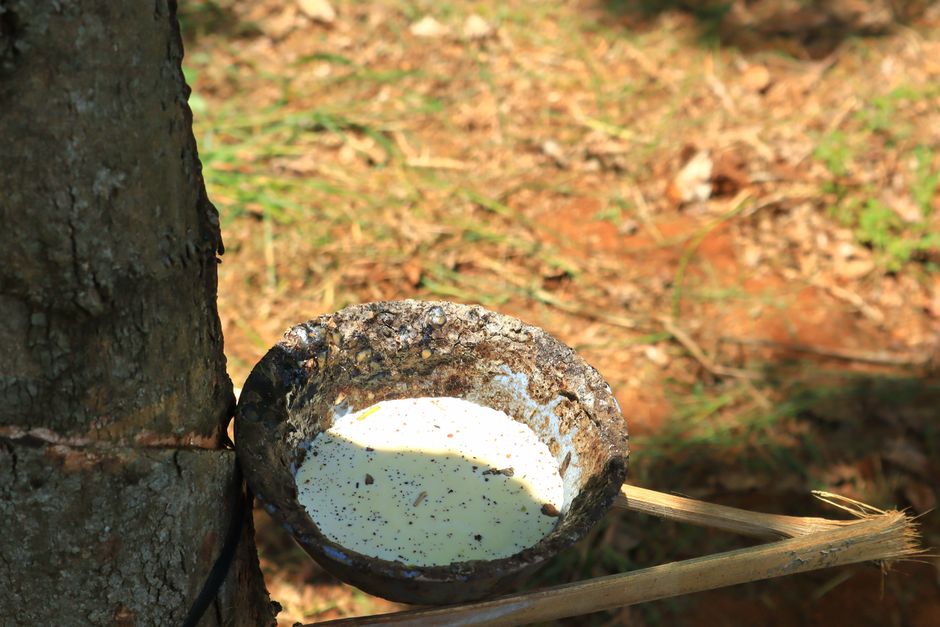
Tree sap is one of nature's more committed stains. It's sticky, it's patient, and it has absolutely no respect for good fabric. (You'd think a substance engineered to seal a Douglas fir for three hundred years would have the decency to stay on the tree. It doesn't.)
The fix, if you catch it before the dryer: rubbing alcohol. Dab it onto the sap stain, let it sit for a full minute, then wash on the warmest cycle the care label allows. Don't guess on temperature — heat sets sap into fabric the same way a dryer turns a treatable problem into a permanent one.
The rule that matters most:Check the garment before it goes anywhere near the dryer. Hold it up to light. If the stain is still there, repeat the pre-treatment. Once it's dried in, you're fighting a much harder battle.
What you need before you start
The good news: you probably have everything already. The bad news: if the garment has already been through the dryer, this list won't fully undo the damage.
For most fabrics (cotton, denim, polyester blends):
Isopropyl alcohol — 70% concentration or higher. Higher works faster. A dull knife or spoon to scrape off the bulk of the sap before you apply anything. Clean white cloth for blotting. Standard laundry detergent. A stain pre-treatment spray if you have one sitting around.
For wool, silk, or delicate fabrics:
Vegetable oil or coconut oil — it breaks down the resin without the harshness of alcohol. Dish soap to cut the oil before washing. Cool water only, never hot.
Rule of thumb: test any solvent on a hidden seam first. Rubbing alcohol can affect some dyes. A minute's testing is worth considerably more than a ruined collar.
The rubbing alcohol method — step by step
This works on cotton, denim, polyester, and most blended fabrics. Not wool. Not silk. If you're unsure, go to the oil method below.
Step 1: Scrape off the bulk first.Use a spoon or dull knife, working from the edge of the sap inward. Trying to dissolve what you can simply scrape off just spreads the problem. Get the bulk off, then treat what's left.
Step 2: Test for colorfastness. Dab a little alcohol on an inside hem or hidden seam. Wait two minutes and blot with a white cloth. If colour transfers, stop and use the oil method instead.
Step 3: Saturate the stain.Drench the affected area with rubbing alcohol and let it sit for a full minute. You're dissolving the resins, not wiping them away. Rushing this step is the most common mistake.
Step 4: Blot, don't rub.Rubbing pushes sap further into the fibres. Use a clean white cloth and work from the outer edge inward. Change to a clean area of the cloth as it picks up sap — you don't want to redeposit it.
Step 5: Pre-treat with detergent. Work a small amount of laundry detergent or stain spray into the area and leave it for five minutes.
Step 6: Wash on warm. Use the care label as your guide — not hotter. The American Cleaning Institute recommends the warmest temperature the fabric allows, but not hot.
Step 7: Check before drying. Hold the garment up to light. Any trace of the stain and you repeat steps 3 through 6 before the dryer touches it. The dryer is where this goes from recoverable to permanent.
The oil method — for delicate fabrics
Rubbing alcohol is aggressive. On silk, wool, or anything with a delicate weave, vegetable or coconut oil does the same job without the risk.
Rub a small amount of oil directly into the sap and let it sit for five minutes. The oil bonds with the resins in tree sap and breaks their grip on the fabric fibres. Then work a small drop of dish soap into the area to cut the oil — the same chemistry that lifts grease off a pan. Hand wash in cool water.
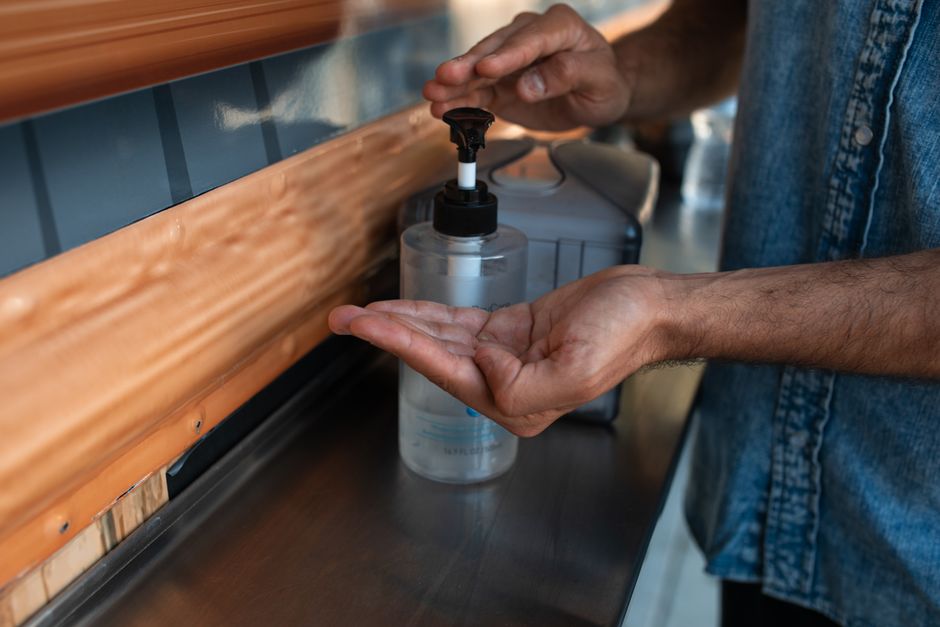
I reckon this method gets overlooked because it sounds too simple. It works. The same principle is why hand sanitiser (high alcohol content, gel carrier) is effective for field-use situations when you don't have straight isopropyl on hand.
Don't put the garment in the dryer until you're certain it's clean. Same rule, every time, regardless of method.
Which trees are most likely to blame in Surrey and the Fraser Valley
Not all trees are equally generous with their sap. If you've been working in the yard or brushing past something, here's what's probably on your jacket:
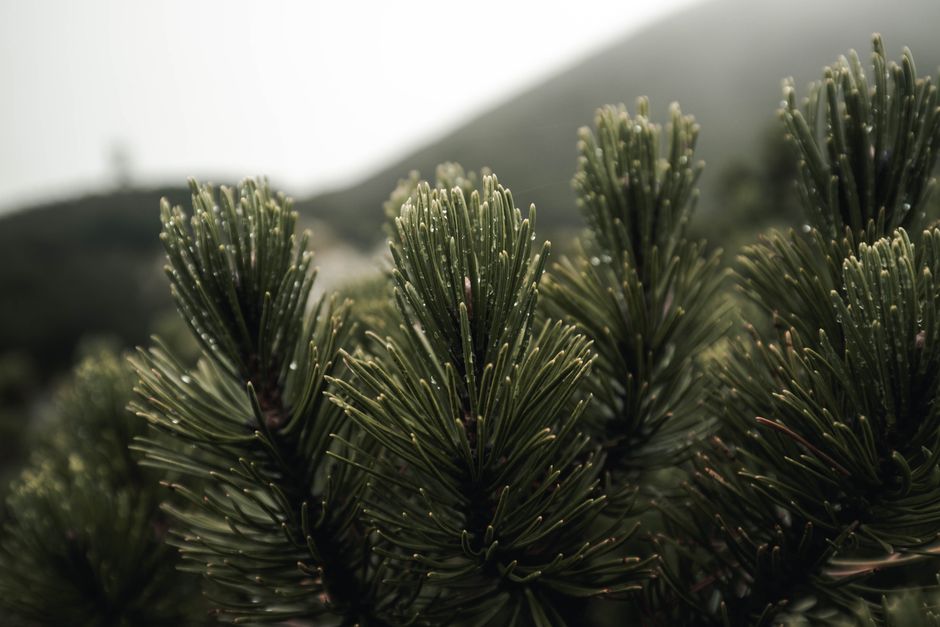
Pine and spruceare the worst offenders. Their resin — technically called pitch — is sticky, clear to amber in colour, and runs year-round. It's worst in late spring when new growth is actively pushing, and again in late summer when the tree is responding to wounds or stress. If you've been near a spruce or pine that had a branch break or a fresh pruning cut, that's almost certainly what's on you. Surrey and Langley yards are full of both.
Cherry and plum treesproduce a thick, brown, gummy exudate — different chemistry than pine pitch but just as stubborn on fabric. It appears most heavily near pruning wounds and tends to run in warm weather. If you've been working in the garden and your ornamental cherry was recently trimmed, that's your culprit.
Bigleaf maplesap flows heaviest in late winter and very early spring. It's thinner and sweeter than pine pitch, which makes it easier to remove — but it also soaks into fabric faster if you don't catch it.
Cedar and Douglas firproduce sap too, but it's generally less sticky than pine pitch and slightly easier to clean. Cold water before treatment often helps with these.
The practical point: if you're pruning any of these in spring or if a storm recently broke branches, expect sap contact. It's not a malfunction, it's just trees doing what trees do.
How to reduce sap transfer from your trees
If sap is consistently dripping from a wound on a tree in your yard, that's usually the tree's natural response to an injury. In most cases it seals itself. The sap flow slows as callus tissue forms around the wound over weeks.
What actually helps long-term:
Clean pruning cuts close the wound faster. A cut made properly at the branch collar heals significantly faster than a stub left behind or a torn branch. I've seen improper DIY cuts drip pitch for two years straight because the wound geometry made it impossible for the tree to seal. A clean cut in the right place, made at the right time of year, cuts that time down considerably. For more on proper technique, see our guide to tree pruning in Surrey.
Timing your pruning reduces sap flow.For most trees, late summer into early fall is the lowest-sap pruning window. Pruning pine in early spring — when resin flow is at its highest — is asking for pitch on everything within arm's reach. We know the seasonal timing and plan around it.
If sap flow seems excessive or persistent — running heavily for more than a few weeks, or appearing from bark with no obvious wound — that's worth a closer look. Certain bark beetles and fungal conditions cause unusual sap exudate, and catching those early saves you a much bigger problem later. The BC Ministry of Forests has good guidance on recognising tree pest symptoms.
When you don't need an arborist
For the stain itself — don't call us. This is a laundry problem, not a tree problem. Isopropyl alcohol from the pharmacy handles it.
Give us a call if:
Sap is flowing heavily from a wound that isn't healing after several weeks.Normal sap response tapers off. If it's still running at full volume after a month, something's off.
Unusual gum or pitch is appearing on bark with no obvious wound. That can indicate borer activity or fungal problems — both of which are worth catching before they spread.
The sap flow is accompanied by die-back in the crown or discoloured foliage.The tree's telling you something. It's worth listening.
Nine times out of ten, tree sap on clothing is just the cost of being near trees. The stain's easier to fix than most people think — the problem is the dryer. Wear old clothes when you're working near freshly pruned or storm-damaged trees, treat anything that gets sapped before it goes in the wash, and check it before it dries. That's the whole thing.
(For the situations that do require professional assessment, here's what a tree health assessment actually involves.)