Trees are complicated. (You may have noticed.) The short answer to "do trees have genders" is: sort of, yes — but most trees don't work the way animals do.
Most flowering trees carry both male and female reproductive parts in the same flower. So strictly speaking, they're neither male nor female. They're both.
That said, some trees are exclusively one or the other. And knowing the difference has actual practical value — especially if you're tired of raking up ginkgo fruit or wondering why your holly never berries.
I'm Jacob Nylund, an ISA Certified Arborist based in Surrey, BC. I've been assessing trees in the Lower Mainland since 2009 — over 3,200 jobs. Most people asking this question are really asking something more specific: "why is my tree producing so much pollen" or "why won't this tree fruit." Gender is usually part of the answer.
Trees are more flexible than you think
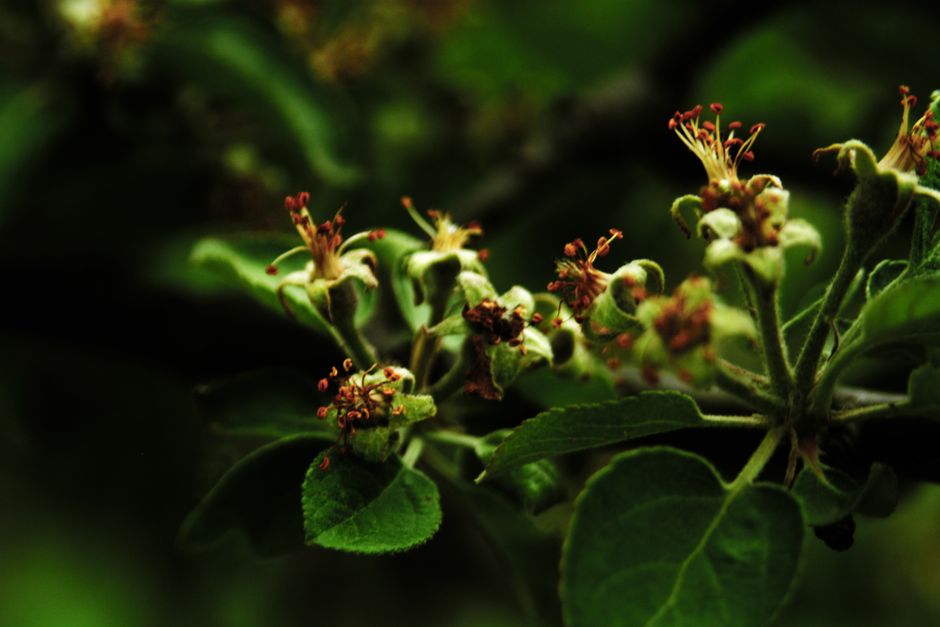
Picture a flowering apple tree. Each flower has both stamens (the male, pollen-producing parts) and pistils (the female, seed-receiving parts). One flower, both sexes. Botanists call this a "perfect flower."
This is the most common arrangement. The majority of trees in your Surrey yard — including ornamental species, most maples, and most oaks — fall into this category. They don't have a gender in any meaningful fixed sense.
The complication comes from the minority of species that handle things differently. Understanding the four reproductive systems clears up most of the confusion.
The four ways trees reproduce
Cosexual (perfect flowers): One flower, both male and female parts. This covers most trees — apples, pears, most oaks, cherries, magnolias. A single tree can produce seeds on its own. "Gender" isn't really the right concept here.
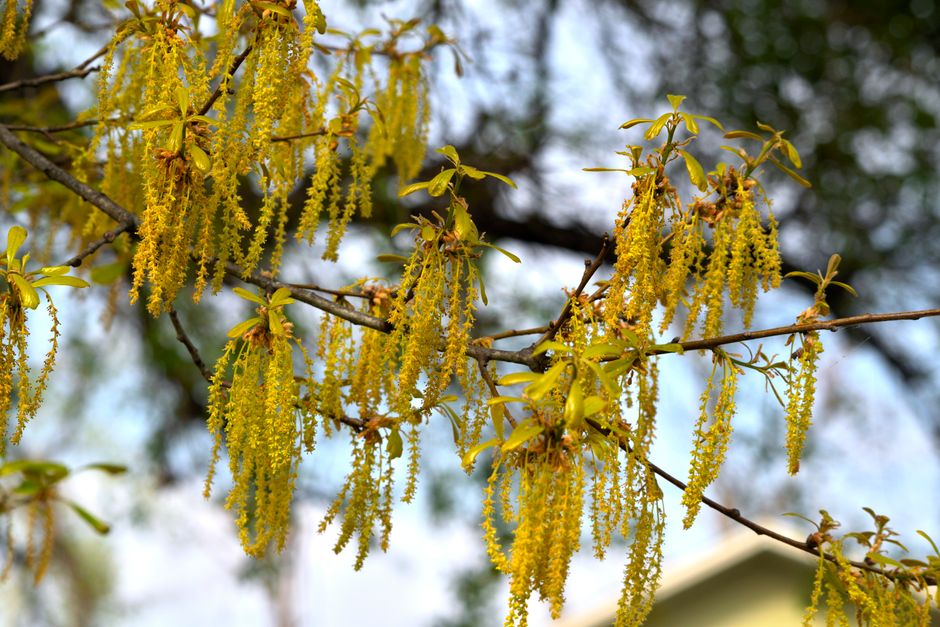
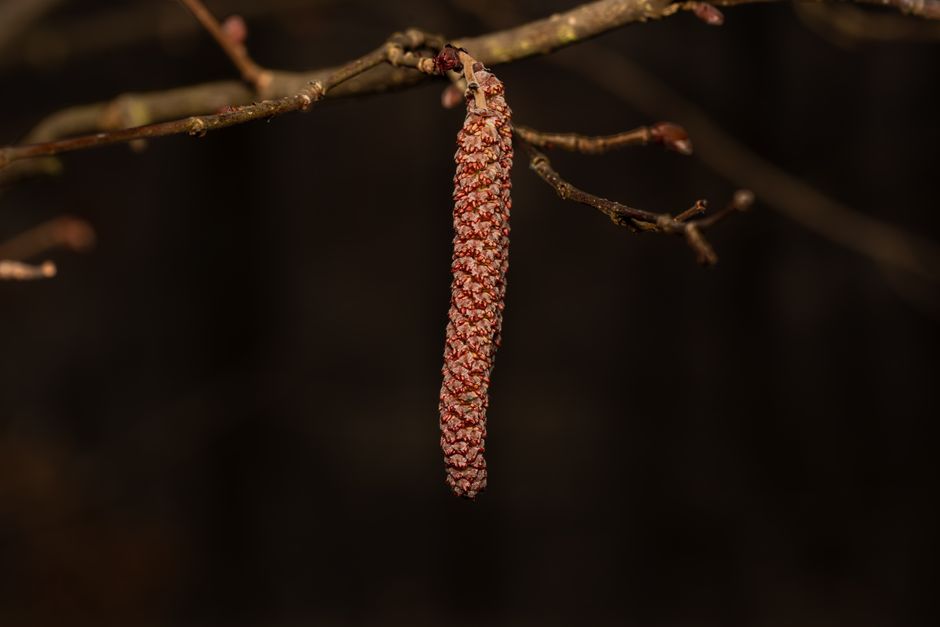
Monoecious: Separate male and female flowers on the same tree. The tree has both, but in different locations. Douglas fir, birch, hazel, and most conifers — including western red cedar — fall here. The male flowers look completely different from the female ones: catkins on a birch, small pollen cones on a fir, large seed cones further up the tree. One tree, two kinds of flowers.
Dioecious: Male and female flowers on completely separate trees. One tree produces only pollen. Another produces only seeds or fruit. This is what most people mean when they ask about tree gender. Holly, ginkgo, poplar, ash, and some maples fall here. About 6% of tree species worldwide are dioecious — so the strictly male/female category is actually the minority.
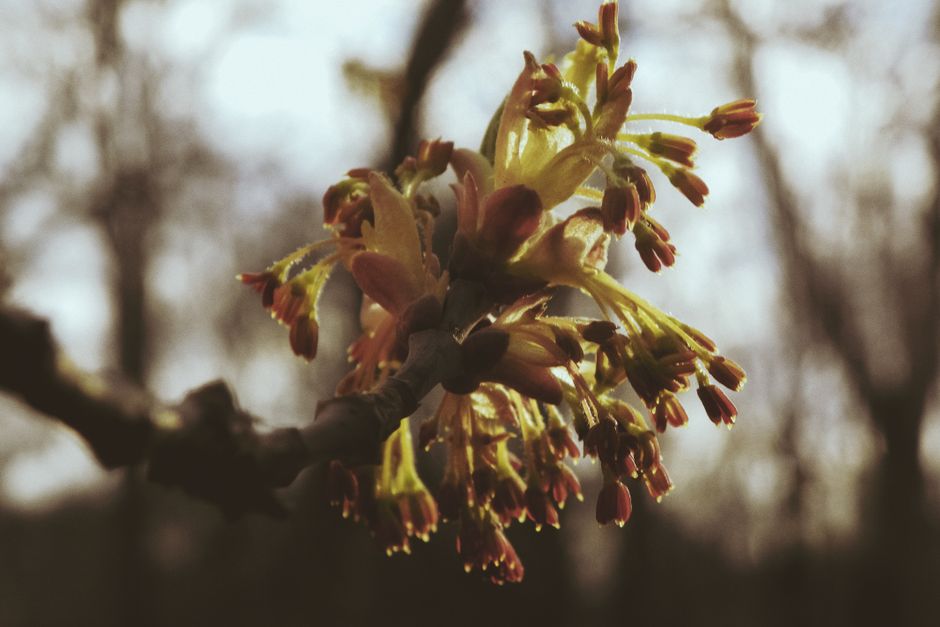
Polygamous: A mix — some flowers are perfect, some are single-sex, sometimes on the same tree. Bigleaf maple (our big local species) can behave this way, varying from year to year.
Nine out of ten questions about tree gender are really about dioecious species. That's the category where "is this tree male or female" is an answerable question.
Dioecious trees in BC — the ones with a strict male/female split
If you're in Surrey or the Fraser Valley, here are the dioecious trees you're most likely to encounter:
Ginkgo (Ginkgo biloba). One of the most distinctly gendered trees you'll find in Surrey gardens. Male ginkgos produce pollen. Female ginkgos produce seeds — which, when ripe, smell like something you'd rather not describe at the dinner table. (Butyric acid, if you want the technical term. It's the same compound that makes vomit smell the way it does.) Nurseries sell male-only ginkgos for exactly this reason. If your ginkgo smells awful in autumn, you have a female.
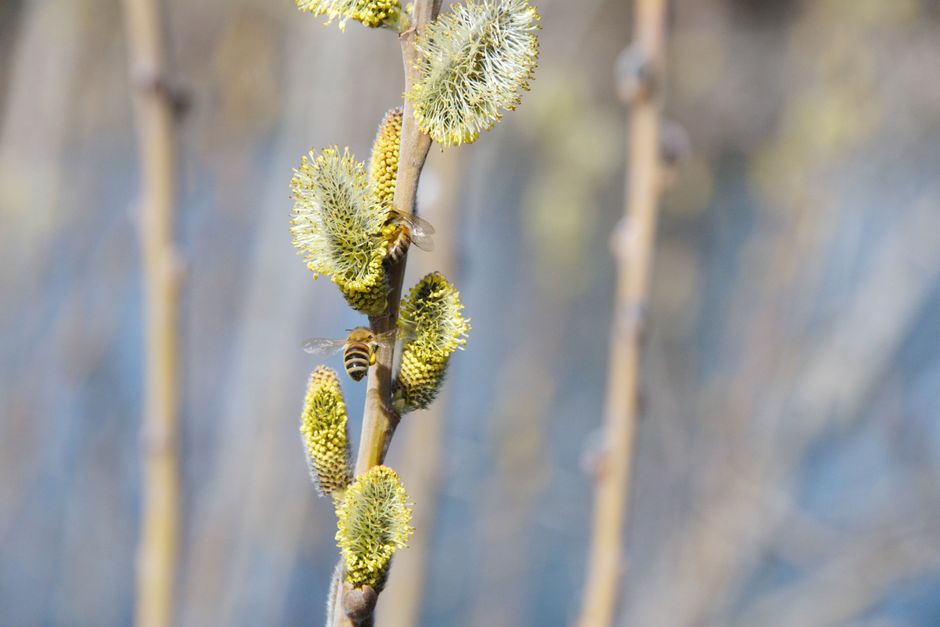
Holly (Ilex species). Want berries — the classic red clusters you see in December? You need at least one female holly and one male holly within pollination range. Male hollies produce pollen but no berries. A holly that never berries is either male, or there's no male nearby to pollinate it. The pollination range for most bees is 30–50 metres.
Poplar and cottonwood. Females produce the cottony seed fluff that drifts through the Lower Mainland in late spring. If you have a poplar dropping fluff on your car and deck every June, it's female.
Common ash (Fraxinus excelsior). Also dioecious. Harder to identify from reproductive signs alone, but relevant if you're managing emerald ash borer risk — treatment protocols sometimes vary by tree value and reproductive role.
If you're planning to remove a dioecious tree or assess whether it's worth keeping, a proper tree health assessment covers the full picture — not just gender, but structure, root health, and whether pruning is a better option than removal.
What tree gender actually means for your yard
Fruit and nut production. If you're planting fruit trees, gender matters directly — but not in the way you might expect. Apple trees have perfect flowers, so a single apple tree can technically self-pollinate. Most varieties fruit better with a different compatible variety nearby for cross-pollination. The common mistake: planting two of the same variety and expecting double the fruit. Two Macintosh apples don't cross-pollinate each other effectively. You need different varieties, not necessarily different genders.
For dioecious fruiting trees like mulberry or persimmon, you do need a male nearby — but the female is the one producing fruit. This gets confusing because "male tree" sounds like the productive one. It isn't.
Pollen and allergies. Male dioecious trees produce large quantities of pollen with no fruit. Landscape architects started preferring male ginkgos and male hollies to avoid fruit mess — and ended up with what some allergists now call "botanical sexism."
A city full of male trees means concentrated pollen with no female trees to capture it. I reckon this explains why spring allergy season has gotten measurably worse in North American cities over the past 30 years. We planted for low maintenance and got high pollen counts instead. According to ISA research on urban tree health, reproductive biology is now a factor in urban forest planning that most cities hadn't previously considered.
If pollen from a specific tree is a significant problem near your property, crown reduction (20–30% canopy size) reduces output without removing the tree. Costs run $500–$1,200 depending on size and access. Worth considering before committing to removal.
Can trees change gender?
Some can. It's unusual but documented.
In most dioecious species like holly, sex is fixed. But in some maple populations, individual trees shift their reproductive output year to year — producing more male or female flowers depending on available resources, light, and age. A 2009 study on sugar maple found that young, resource-stressed trees tend toward male flower production. As they mature and have more energy available, they shift toward female.
Rule of thumb: don't assume a tree that wasn't producing berries last year will never produce them. Stress, shading, and youth all affect output. Give the tree adequate light and soil health, and wait a season before concluding anything about its gender.
For the BC species that matter most in this context — Garry oak, bigleaf maple, Douglas fir, western red cedar — all are either monoecious or cosexual. None of them are strictly dioecious. So the gender question is less relevant for our native species than for ornamental plantings.
When you don't need to call an arborist about tree gender
This is the part most posts skip. I'll say it anyway.
Tree gender is mostly not something you need professional help to figure out. If you want to know whether your ginkgo is male or female, wait until autumn. Female ginkgos produce fruit. Male ones don't. That's the identification — no assessment required.
You probably don't need an arborist for:
- Identifying tree sex in a dioecious species — observe it through a fruiting season
- Choosing a male holly pollinator for your female — a good nursery handles this
- Understanding why your fruit tree variety needs cross-pollination — again, the nursery
Where an arborist does add value:
- A female ginkgo with fruit you're done managing — that's a legitimate removal job. A small one runs $400–$650 all-in; medium size (30–60 ft) runs $800–$1,400.
- Crown reduction when pollen from a specific tree is the problem near a bedroom window — if size management rather than removal is the goal
- A fruit tree that should be producing but isn't — root problems, soil chemistry, and pruning errors all affect fruit set and are worth a professional eye
Most of this you can sort out yourself with a season's observation and a decent field guide. The trees that need a professional eye are the ones with structural issues, root problems, or a removal question. Not a gender question.