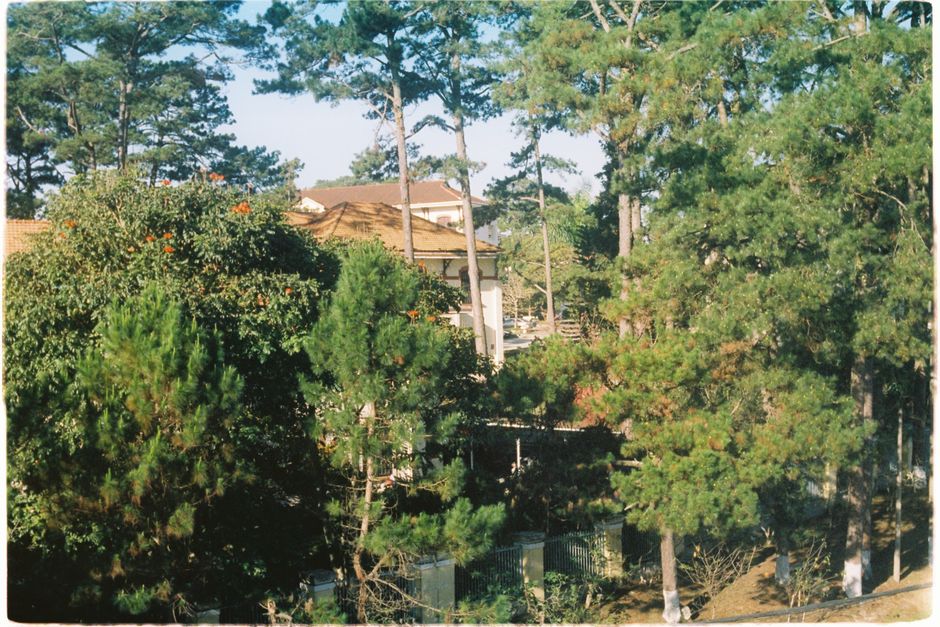
Raising the canopy on a pine tree sounds more technical than it is. (Less forklift, more handsaw — though the results can be similarly dramatic if you go too far.)
The short answer on pruning pine trees lower branches: yes, you can do it. Dead or dying lower branches should come off. Live lower branches can also be removed — up to a point. That point matters more with pines than with almost any other tree on your property.
Pines don't regenerate the way a maple or an oak does. What you remove stays removed, permanently. So this is one of those pruning decisions where being deliberate now saves you from a regret that lasts 50 years.
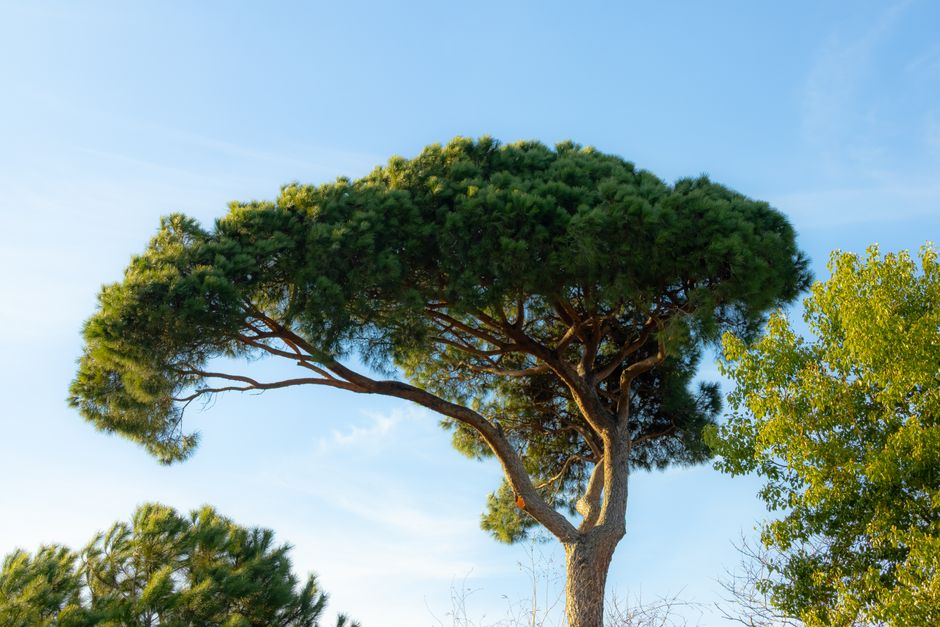
Should you remove lower branches from a pine tree?
Most of the time, yes — with conditions.
Dead lower branches come off without argument. They're not doing anything for the tree anymore. They're hazard wood that'll drop eventually on their own terms, which is rarely convenient timing. Removing them improves airflow through the lower canopy and eliminates the debris pile that builds up underneath.
Live lower branches are a different conversation. On a mature pine, the lower third of the canopy is naturally the weakest part. It gets the least light, grows slowest, and often starts declining on its own as the tree gets taller. Removing those branches can improve airflow, reduce disease pressure, and open up the space underneath — all of which are legitimate reasons to do it.
The limit: the live green crown should cover at least the top two-thirds of the total tree height. Nine out of ten problems I see with over-pruned pines come from someone who kept going past that line. Below two-thirds, the tree loses too much photosynthetic capacity to sustain itself. It starts declining slowly, and there's no fixing it once you're there.
Also worth knowing: removing more than 25% of the live canopy in a single year is too much for most pines. If you're doing a significant canopy lift, spread it across two or three seasons.
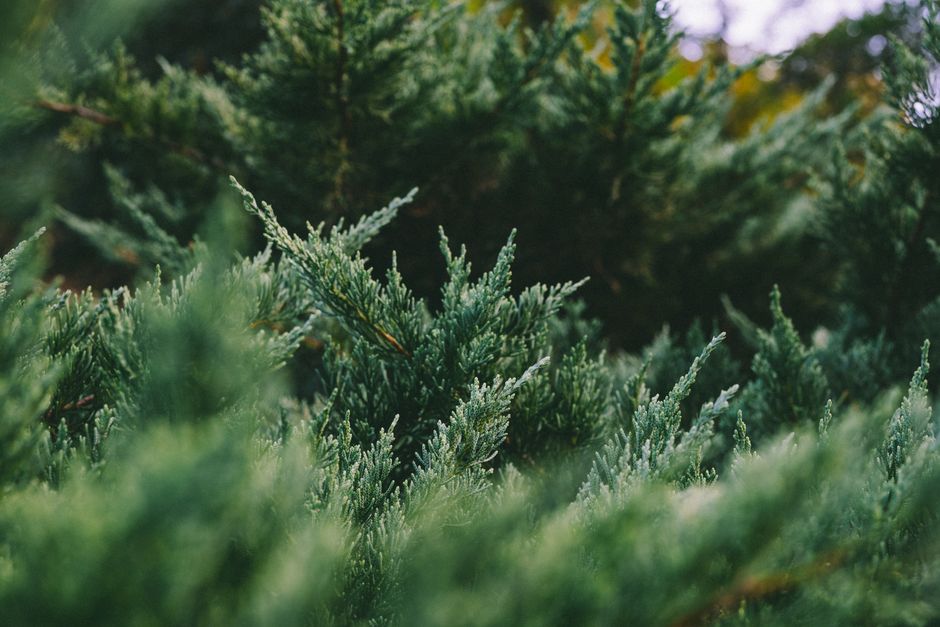
Why lower pine branches die — the dead zone explained
Pines are shade-intolerant. They can't photosynthesize efficiently in low light. As a tree grows taller and its upper canopy spreads, it shades out its own lower branches. Those branches gradually stop producing enough energy to sustain themselves. They die.
This is entirely natural — foresters call it self-pruning — and it happens to most pine species in BC: western white pine, ponderosa, lodgepole, Scots pine. The taller and denser the canopy, the faster the lower branches go.
What this means practically: the dead lower branches you're looking at on a mature pine? The tree already gave up on them. Removing them isn't disrupting anything. It's finishing what the tree started. The ISA pruning guidelines classify this kind of deadwood removal as standard preventive maintenance — not optional, not cosmetic.
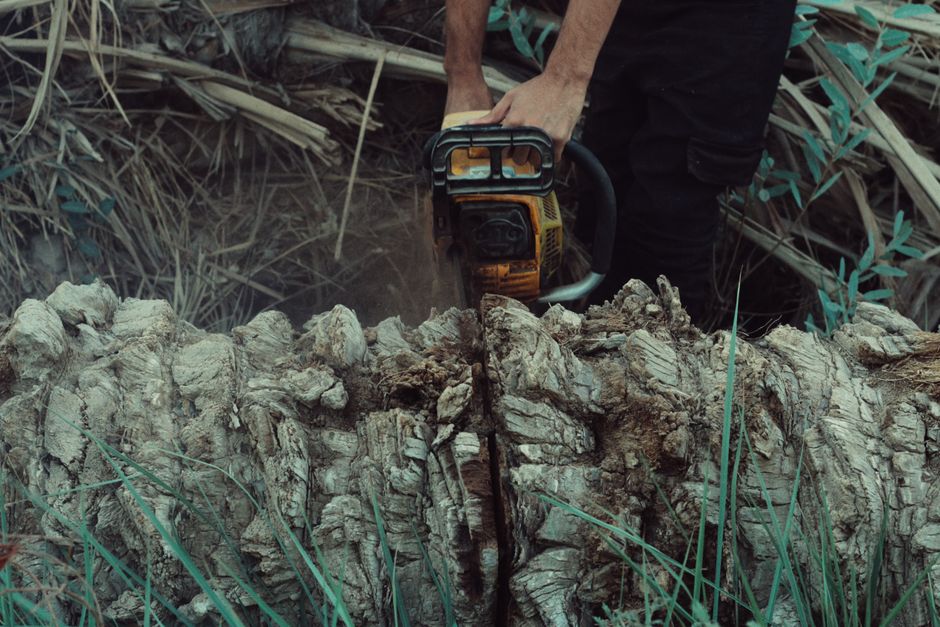
How to prune lower pine branches the right way
The cut location is everything. Always cut at the branch collar — the slight swelling where the branch meets the trunk. Not flush with the trunk, and not leaving a long stub. Both invite disease into the wound.
Pine doesn't respond to wound dressings or sealants. A clean cut at the collar is all it needs. Let the tree handle the rest.
Tool guide by branch size:
Under one inch in diameter: bypass loppers or a sharp hand saw. One to three inches: a pruning saw. Over three inches, or anything above shoulder height: stop. That's the point where the combination of ladder work, cutting force, and falling timber weight makes DIY genuinely risky.
One thing that should never happen when pruning a pine: topping. Cutting the top off to reduce height destroys the crown structure, forces multiple competing leaders to form, and leaves wounds the tree can't manage. I've written more about why in our guide on how trimming can kill a pine tree. If height is the issue, crown reduction — a 20–30% size cut that maintains the structure — is the right conversation, not topping.
Best time to prune pine trees in Surrey
Late winter — February through mid-March in the Lower Mainland — is the right window for pruning live branches. The tree is still dormant, the wounds close faster heading into the dry season, and pine beetle activity (which is attracted to fresh resin from pruning cuts) is at its lowest point.
Dead branches can come off any time of year. No wrong season for removing something that's already dead.
Avoid significant pruning of live wood in July and August. BC summers stress pines, and fresh wounds during peak bark beetle season create a risk that's not worth taking for a non-urgent job. The BC Ministry of Forests' bark beetle management guidance specifically flags summer pruning as a risk factor. It's not theoretical.
How high should you raise the canopy?
Rule of thumb: the live crown should cover at least the top two-thirds of the tree. For a 30-foot pine, that means the lowest live branch stays at or above 10 feet. For a 45-foot tree, 15 feet.
Some homeowners raise the canopy higher — to 15 or 20 feet — for sightline or clearance reasons. That's generally fine if the tree is otherwise healthy and you're spreading the work across a couple of seasons rather than doing it all at once.
One thing worth asking before you start: is the goal actually the canopy height, or is it the view the tree is blocking? Nine times out of ten, if a pine is obstructing a sightline, crown thinning — removing select branches from within the canopy — fixes the problem without permanently raising the canopy height. It's worth checking before you commit to a lift you can't undo.
If you're unsure which approach makes sense, our tree services page covers both crown thinning and canopy lifting, and an assessment ($150, credited if you book) takes about 20 minutes on-site.
When not to do this yourself
Any branch above 15 feet, any branch over 3 inches in diameter, or any situation involving a ladder and a cutting tool simultaneously — that's where I'd say stop and call someone. Not because the pruning is complicated, but because the ladder-and-falling-timber combination is where people get hurt. The injury risk has nothing to do with skill level and everything to do with physics.
I had a homeowner in Langley a few years back who did the lower branches on his own — cuts were fine, good technique. What he hadn't thought through was where a 25-pound branch goes when you're 14 feet up and your hands are already busy with the saw. It went through a fence section. The fence repair cost more than the pruning would have.
General rule: if the tree is over 20 feet tall and you're targeting branches above the lowest safe ladder height, that's an arborist job. The cost of the work is a fraction of a trip to emergency or a fence replacement.
What it costs — honest numbers
Deadwood removal on a suburban pine (under 30 feet): $250–$600. That's branches only — stump grinding isn't relevant here, and there's no cleanup beyond what comes down.
Canopy lift including live lower branches: $300–$800, depending on tree size, number of branches, and site access. We don't quote by the branch. We quote by what the job actually requires.
Crown thinning (if that's actually what the situation calls for): $300–$800.
Assessment: $150, credited toward any work booked on the same visit. If the tree doesn't need anything, we'll tell you that. That's also the answer sometimes.
If anyone quotes you $100 to "take care of the lower branches" on a 25-foot pine, ask them how they're getting up there and whether they hold ISA certification. The number is either missing scope or missing credentials. Either way, you'll find out at the wrong moment.